A reunion people remember is rarely the one with the biggest budget. It is the one where someone wrote things down early: who brings what, when the food lands, and what the eight-year-olds do while the grandparents nap. Start with a date, a venue, and one shared document, and the rest gets easier.
What you are really building is a plan in the plainest sense. Wikipedia defines a plan as "any list of steps, with details of timing and resources, used to achieve an objective," and notes that plans shared by several people work best when written down so everyone can act on them across time and distance. A reunion is exactly that: many people, one objective, months apart.
How far ahead should you start planning?
Give yourself the longest runway your family allows. Big gatherings need lead time for three things: locking a date that survives school calendars and work schedules, booking a venue before someone else does, and giving relatives with travel or visa needs enough notice. A year out is comfortable for a large, destination-style event. Six months works for most local or regional reunions. Under three months, expect more regrets and more last-minute scrambling. For related coverage, see How to start a screen-free family game night that survives.
Work backward from the event date. Set the date and venue first, invitations next, menu and activities after, and logistics like seating and allergy lists last. Write each step down with an owner. If one person holds every task in their head, the plan fails the moment that person gets busy.
Where should a three-generation reunion happen?
Match the venue to the oldest and youngest guests, not the average age. The sweet spot for a three-generation group is a place with shade, seating, and a flat, safe area where toddlers can move and elders can sit nearby. Parks with reservable pavilions, community halls, a relative's large backyard, and family-friendly campgrounds all fit. A restaurant works for a meal but rarely for a whole day, because there is nowhere for kids to burn energy.
Before you book, check two things in person if you can: toilets and parking. They decide more reunions than any scenery. Ask about covered space in case of weather, whether outside food is allowed, and what the reservation actually includes. Get the answers in writing.
What timeline actually works?
Here is a sequence that holds up in practice. Adjust the gaps to your lead time, but keep the order.
- Set the date and form a small committee. Two or three adults, one of them from a different household than yours. Pick a date, then check it against school terms and major holidays before announcing anything.
- Book the venue. Reserve the space and confirm what it includes. Note the cancellation terms.
- Send save-the-dates. A group message is fine. Ask for headcount, dietary needs, and mobility needs in the same message so you collect answers once.
- Assign food and supplies. Share a sign-up sheet with categories: mains, sides, drinks, dessert, ice, cups, plates. People sign up for what they actually want to bring.
- Plan the program. One anchor activity, two or three optional ones, and generous unstructured time. More on that below.
- Confirm and remind. A short reminder a week out, with arrival time, address, parking notes, and what to bring.
- Delegate on the day. Someone greets, someone runs the activity, someone handles food timing, someone takes photos. The organizer should get to sit down at some point.
What activities work across the generations?
The best icebreakers trade embarrassment for curiosity. Skip forced introductions. Instead, give people something to do side by side, and conversation happens on its own.
- A family tree table. Print a simple blank tree and let people fill in branches together. It doubles as an activity and a keepsake, and it gives the oldest generation a natural role as the ones who remember. Our guide to starting a family tree without getting overwhelmed covers how to keep it manageable.
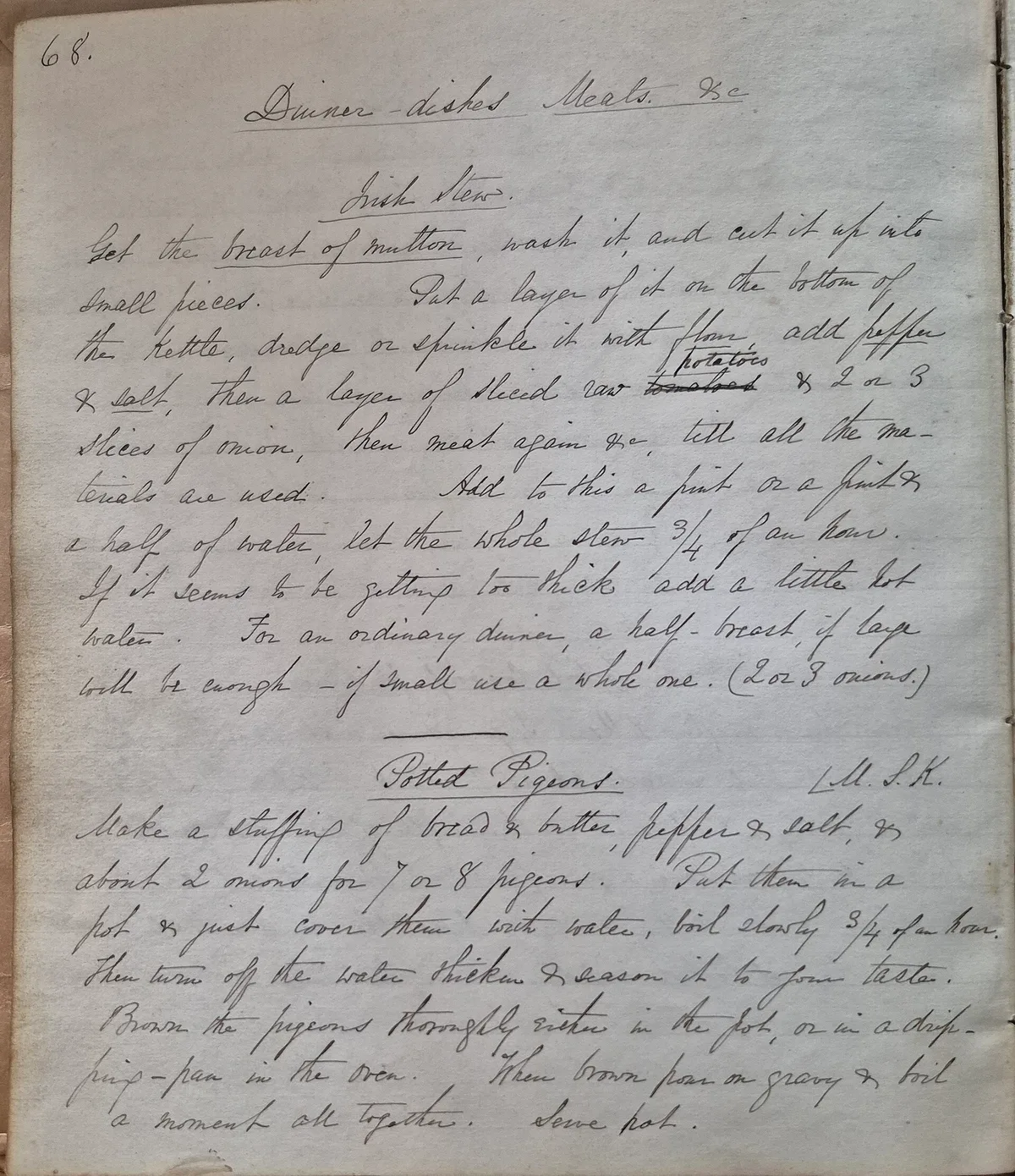
- Recipe cards. Ask every household to bring one handwritten recipe, and set out cards and pens for copying. Handwritten recipe heirlooms carry more weight than any group chat, as we wrote in the art of the family recipe heirloom.
- Low-stakes games. Choose games where luck matters more than skill, so a seven-year-old and a seventy-year-old can genuinely compete. Our screen-free family game night guide has picks that survive repeat play.
- A photo corner. One backdrop, one phone on a small tripod, a timer. Assign a teen as photographer; it gives them a job and status at once.
- Story prompts. Put a jar of questions on the dessert table: first car, first job, the meal that always meant this house. Record answers only with each person's clear yes.
One more thing about screens. You do not need to ban them, and a ban aimed at teens usually backfires. Build the day so screens are the boring option: a real activity running, a job to hold, a younger cousin to entertain. If you want a framework for that, our piece on screen-free weekend activities that actually work applies here too.
How do you keep the food and the budget sane?
Potluck is still the most reliable model for a large family meal, because it spreads cost, honors family cooking, and starts conversations. The failure mode is duplication, not shortage, so use a sign-up sheet with named categories and a coordinator who fills gaps. Keep one hot dish that suits small children and one that suits older guests with softer textures. Label everything for common allergens. Coolers and ice are the most forgotten line item; assign them by name.
For money, keep it simple and transparent. One person collects contributions, one account or one envelope, and a simple list of what was spent. Publish the totals afterward. Nothing sours a reunion faster than a vague sum nobody can account for. If some relatives cannot contribute money but can cook or set up, count that as their share and say so warmly.
What this means for your reunion
Our analysis, after watching family events succeed and fizzle, is that the memorable ones optimize for conversation, not spectacle. A pavilion, a potluck, a tree to fill in, and a jar of story questions will outperform a rented bounce house every time, and it costs a fraction. The compromises are real: someone has to chase the sign-up sheet, and the day will not go to schedule. Build slack into the program, delegate early, and let the unstructured hours do the work. That is the verdict.
One honest caveat: this is general planning information, not advice about your specific family's health, safety, or legal situation. If guests have serious allergies, mobility needs, or care requirements, plan those details directly with the people involved. And whether a big gathering, a small one, or none at all suits your family this year is, as always, your call.