Start your family tree with yourself, work backward one generation at a time, and stop at five generations — you, your parents, your grandparents, your great-grandparents, and your great-great-grandparents. That scope is small enough to finish and large enough to teach you how genealogy works. The biggest mistake beginners make is trying to trace a famous surname back centuries before they have documented their own grandparents.
The honest version: genealogy is a slow hobby, and the overwhelm usually comes from doing everything at once. A generation-by-generation method fixes that. You gather what your family already knows, record it carefully, and only then go looking for documents. This article is general information, not professional research advice — and how far you take it is your family's call.
What does a five-generation family tree actually include?
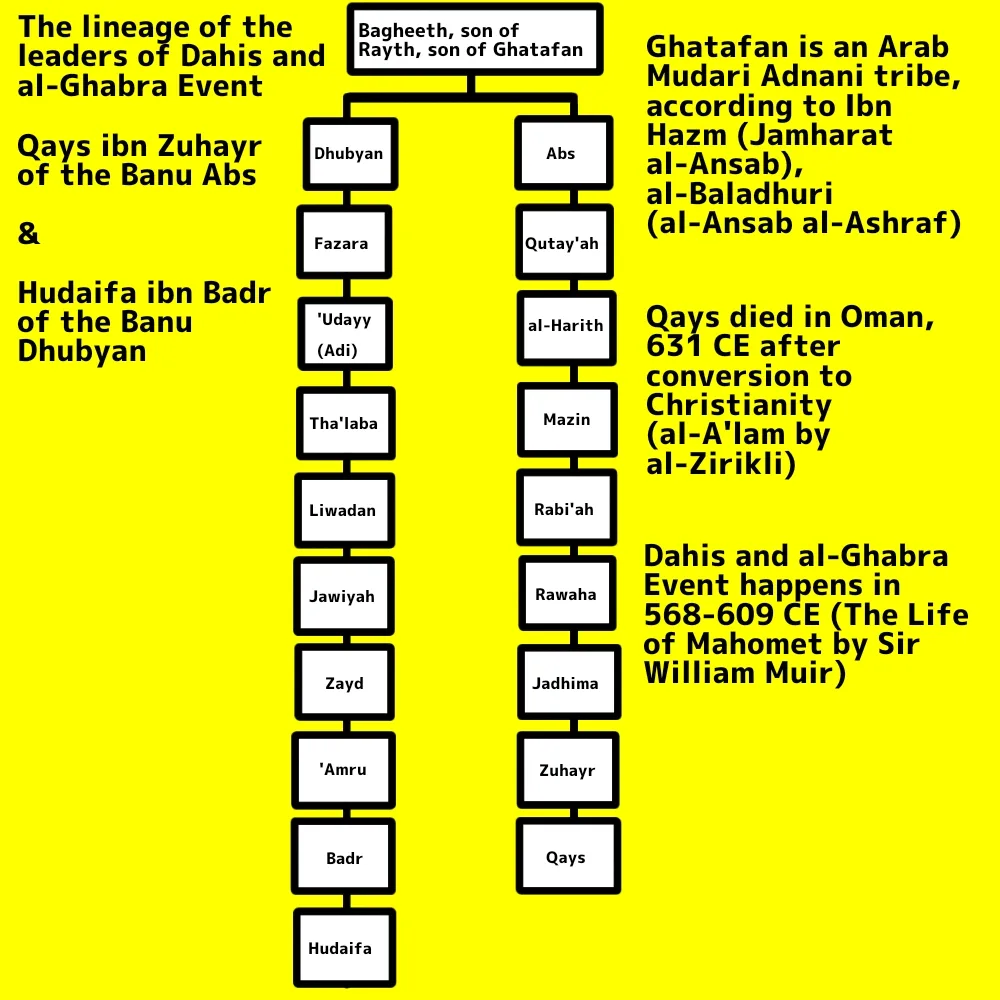
Five generations means up to thirty-one people: you, two parents, four grandparents, eight great-grandparents, and sixteen great-great-grandparents. In practice, you will not find all of them at first, and that is fine. The point of the limit is focus. Each generation has its own set of records, its own living relatives who might remember things, and its own research habits to learn.
Counting generations also keeps the paperwork sane. Thirty-one people is a spreadsheet. Three hundred people is a project that stalls in a drawer. If a branch takes off and you want to go deeper later, the method still works — you just repeat it, one generation further back.
Where should a beginner start looking?
Start at home, not online. Before you open a single research website, collect what your family already has. Most households hold more genealogy than anyone realizes.
- Birth, marriage, and death certificates tucked into files or Bibles
- Obituary clippings, funeral programs, and memorial cards
- Old letters, greeting cards with return addresses, and envelopes
- Photo albums with names written (or not written) on the back
- Family Bibles, baptism records, and citizenship papers
- School records, military papers, and employment documents
Set up one folder — physical or digital — for each of your four grandparent couples. Everything you find gets sorted into one of those four folders. This single habit prevents most of the confusion beginners feel, because every fact you collect already has a place to live.
How do you record what you find without making a mess?
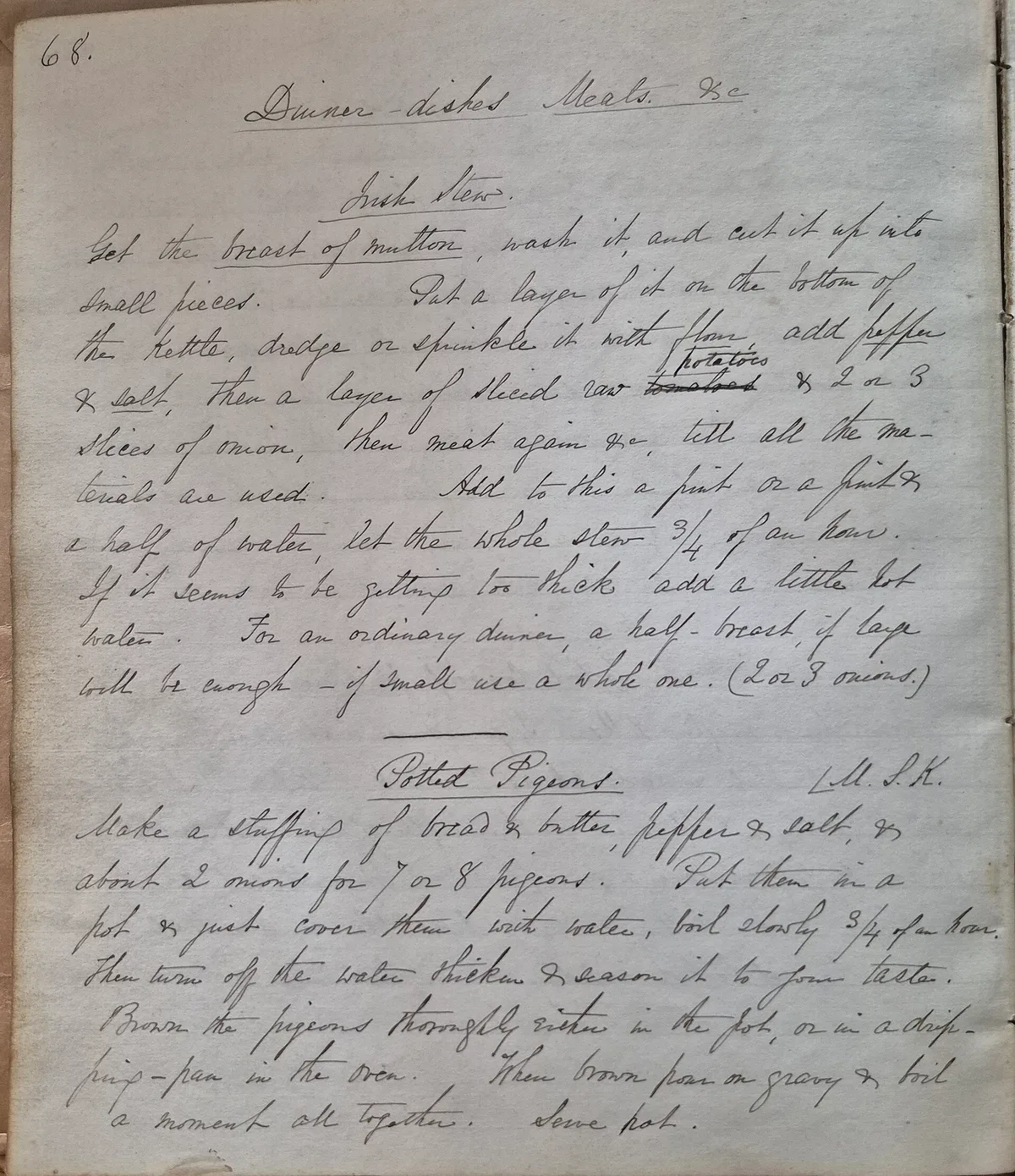
Use a simple, consistent format from day one. For every person, record full name, dates and places of birth, marriage, and death, and — critically — where each fact came from. Genealogists call that last part a source citation, and it simply means writing down which document told you the birthdate. A tree full of facts with no sources is a set of guesses wearing a nice font.
Two habits do most of the work:
- Record women under their birth (maiden) names, not married names. This is the single biggest search-saver in genealogy.
- Write dates in a consistent order — day, month, full year — so you never have to wonder whether 3/4/1921 means March or April.
You can keep all this in a paper chart, a spreadsheet, or free family-tree software. The tool matters far less than the consistency. Pick one, learn it, and stay with it.
Who should you talk to first?
Talk to your oldest living relatives before anything else. Family memory is the one source that disappears permanently, and it is also the one that points you to documents you would never find alone. A grandmother who remembers which county the great-grandparents married in saves you weeks of searching.
Keep the conversations easy. Ask open questions — where did you grow up, who did you live with, what were your grandparents' names — rather than interrogating for dates. Record the session with permission, and afterwards send a short summary back so relatives can correct it. Many families find that this kind of call is worth doing even when the research stalls; the same spirit that makes grandparent video calls work for toddlers makes these conversations land with elders.
One caution, quietly held: family stories are leads, not facts. Treat everything a relative tells you as a promising direction to verify with a document. Sometimes the story is exactly right. Sometimes great-grandfather improved his own biography, and the certificate says otherwise.
When should you start using records and websites?
Only after your home and family sources are recorded. Then, work generation by generation: verify your parents first, then your grandparents, and so on. Each generation's documents — a marriage record naming parents, a census listing children — unlock the next one back. Skipping ahead is how researchers end up tracing the wrong family with total confidence.
Public libraries are the most underrated starting point. Many offer free access to subscription genealogy databases, local newspaper archives, and staff who have helped hundreds of beginners. Local and state archives hold the older civil records, and church records often reach back further than government ones. National archives in most countries publish free guides to their holdings, which tell you what survives and where before you spend an afternoon searching for a record that burned in 1922.
Our analysis of what keeps beginners going: momentum comes from finishing things. A verified generation — every core fact documented for eight people — feels vastly better than a half-guessed century. Set the pace that suits your family, whether that is one evening a month or every Sunday. If you want company for the habit, a screen-free family game night can quietly become a family-history night; older kids are often surprisingly good at transcribing old handwriting. For related coverage, see How to start a screen-free family game night that survives.
What this means for your family
The five-generation method trades breadth for depth. You will not have a crest or a castle in week one — most lineages do not, whatever the sales pitch on the research websites implies. What you will have is a small, fully documented tree that your children can read, and a research habit that scales. Whether the tree becomes a weekend hobby or a decade-long project is, as with most things in this house, your call.
It is also one of the rare projects that genuinely improves with company. Sorting photographs with a cousin, or reading a census with a teenager, turns record-keeping into family time — closer in spirit to the screen-free weekend activities that actually work than to solitary archive digging. Start with thirty-one names, cite everything, and let the tree grow at the speed of your curiosity.