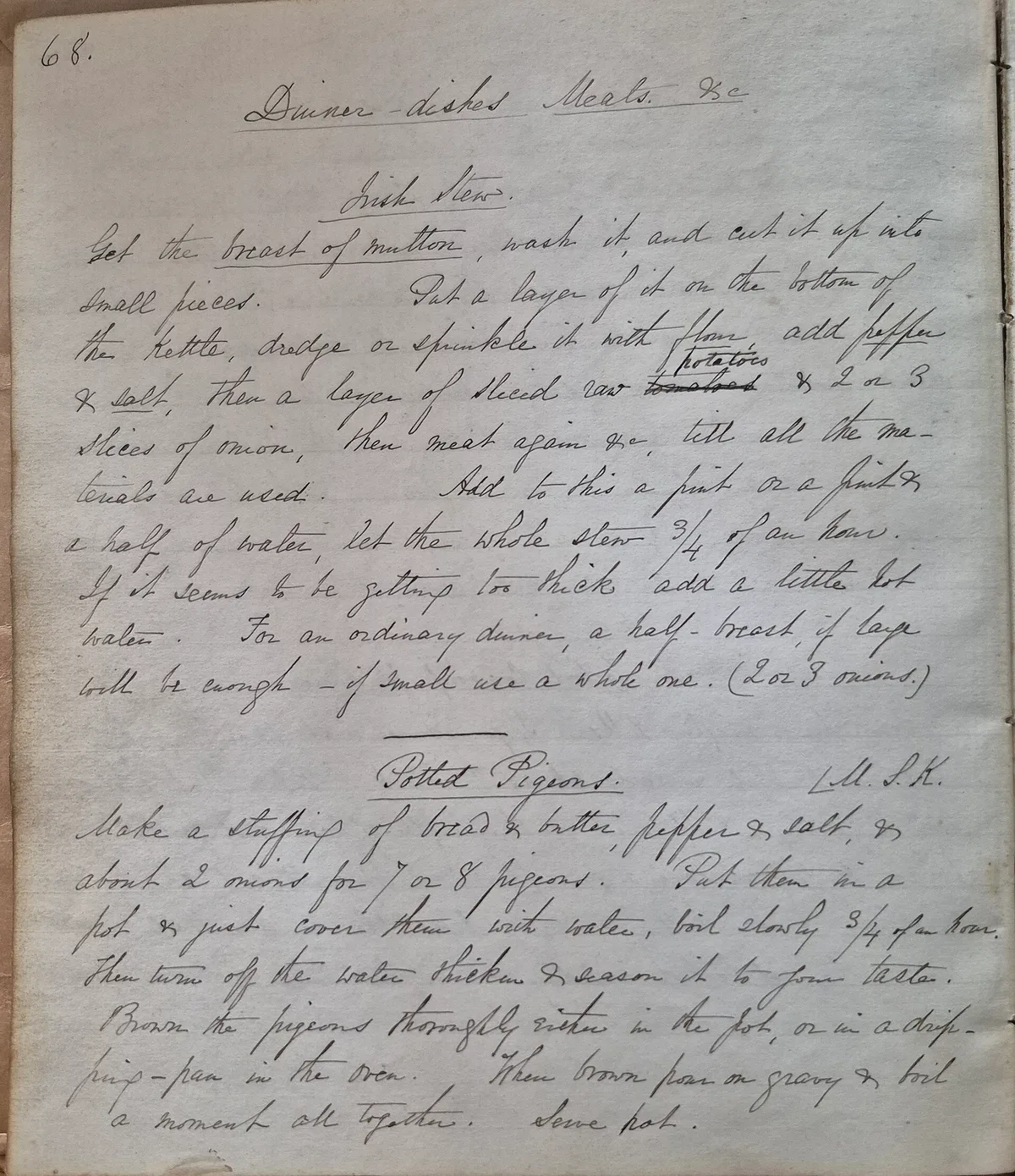
The art of the family recipe heirloom: why handwritten cards still matter
A recipe card is a small object with a large job. Here is how kitchens preserve memory, and how to start an heirloom of your own.
The negotiations at home: device rules that hold, shared watching across age gaps, sibling disputes and agreements that survive a second week.
A recipe card is a small object with a large job. Here is how kitchens preserve memory, and how to start an heirloom of your own.

A five-generation starter method that keeps first-time genealogy research small, organized, and actually enjoyable.

Two kids, one tablet, and two very different ideas of fair. How to build screen rules that hold past the second week.

The federal children's privacy rule governs data, not content. Here is what it requires of an app, what the 2025 amendments changed, and where the decision is still yours.
Ask what they already heard, tell the truth in age-sized pieces, and end with what is being done and who is helping.

Screen-free time survives only when it is planned, social, and slightly novel; boredom alone is not a plan.