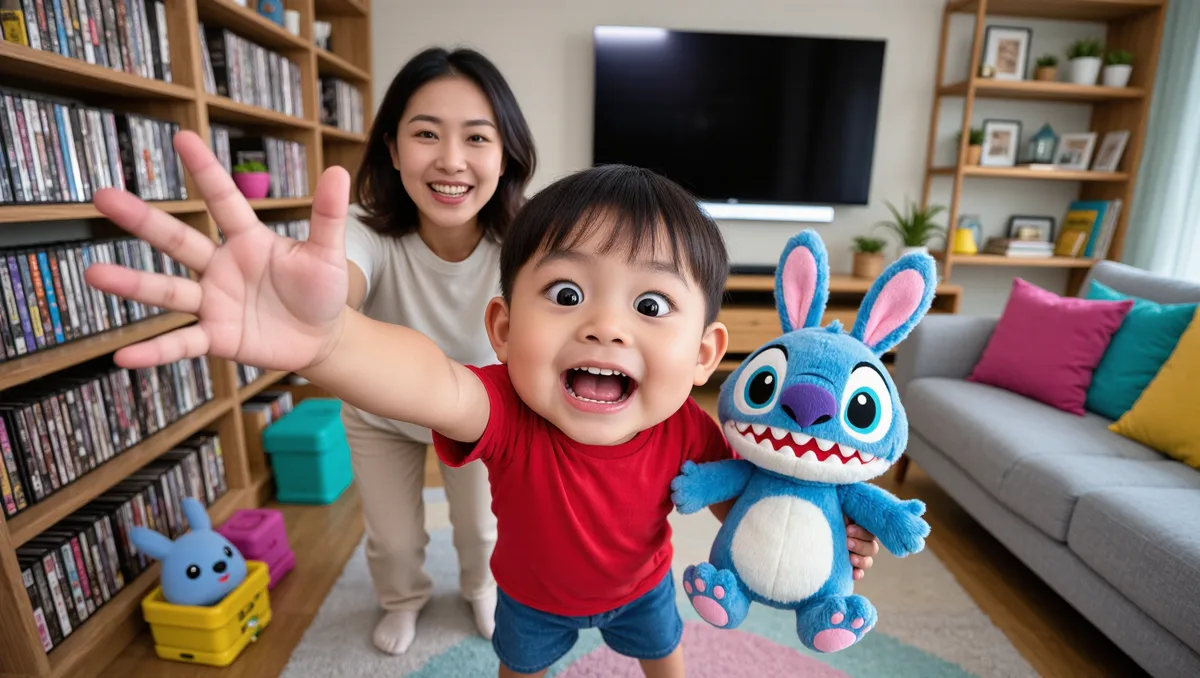
A family talent show works when it feels like a game, not a gala. Pick a date, cap the acts at eight or ten, keep each one under three minutes, and let every age group on the roster shine at something. The most important qualification: the goal is participation, not polish, and the adults have to model that by going first or going badly on purpose.
The word itself sets the bar low in a helpful way. To organize something, as Vocabulary.com defines it, is to arrange it by systematic planning and united effort — planning and effort, in that order, and the united part matters more than the systematic part when the participants are seven and seventy.
This guide walks through the whole evening: recruiting acts, building a kind judging system, staging the room, and handling the aftermath. It is information for planning a family night, not a script with guaranteed outcomes — how much structure your show needs is your call, and it depends heavily on your kids' ages and temperaments.
How far ahead should you plan, and what goes on the list first?
Give the household one to two weeks of notice. That is long enough for a shy kid to rehearse something they actually chose, and short enough that the idea doesn't evaporate. Two things go on the list first: the date, and the act sign-up. Everything else — snacks, judges, decorations — can be sorted in the final days.
The sign-up step deserves real care. Ask each person to name their act, but let them change it once without ceremony. A child who announces a magic show on Monday and discovers on Wednesday that the trick doesn't work should be able to switch to a joke-telling set without feeling like they failed. Write the final lineup on paper where everyone can see it, in performance order, so nobody is surprised by their slot.
One practical rule holds the evening together: every act gets a hard time limit. Three minutes is generous. Use a phone timer that everyone can see, and announce the rule before the first act, not during a runaway puppet show.
What kinds of acts actually work in a living room?
The room decides the act list. A living room fits small, low-tech performances: singing with or without a backing track, a comedy or joke set, a dance, card tricks, juggling, a short skit, lip-sync, impressions, a pet trick if the pet cooperates, and — the underrated category — demonstrations. A kid who can fold three kinds of paper airplanes, or explain a video game level with dramatic flair, has an act.
Mixed-age households need mixed categories. A four-year-old cannot follow a twelve-year-old's choreography, and shouldn't have to. Group acts solve this elegantly: siblings perform together, or a child pairs with a grandparent over video call. If grandparents live far away, a recorded or live-video act works, and the same setup that makes grandparent video calls work for toddlers makes a remote duet work on talent show night.
Two acts to gently steer away from: anything requiring the audience to sit in darkness for more than a few minutes, and anything with a big cleanup. Save the slime for another day.
How do you judge a family talent show without hurting anyone?
This is the section where the plan can go wrong, so slow down. Competitive scoring pits a five-year-old's finger-painting song against a teenager's guitar piece, and somebody loses in front of everyone. Most families do better with one of these three formats:
- Everyone wins a category. Every performer gets a superlative award: Best Costume, Biggest Laugh, Most Surprising Act, Best Use of the Couch. Nobody ranks the acts against each other.
- Applause meter. The audience votes by volume for a single People's Choice award, judged by whoever makes the silliest measuring gesture. One winner, but low stakes and no scores.
- Judged scores, with a twist. If your family wants real scoring, have judges rate every act on effort, creativity, and audience reaction — never on raw skill — and give each judge a rule: no family member scores their own household.
However you score it, the judging tone is set by the adults. If a parent hams up a terrible juggling act and takes the low score with a bow, the kids learn that a flop is part of the fun. If the adults treat scores like verdicts, the kids will too.
What does the staging actually require?
Less than you think, and the prep is half the fun. A workable checklist:
- Clear a performance zone. One end of the living room, a rug as the stage mark. Move the coffee table once and leave it moved.
- Set the seats. Chairs and cushions in rows, with the comfiest spot reserved for the guest of honor — often a grandparent, real or on-screen.
- Sort the sound. One Bluetooth speaker beats built-in TV speakers for backing tracks. Test it before showtime, not during the first song.
- Make the lights. A lamp turned off and on is your spotlight and your intermission signal. A flashlight works as a follow spot for dramatic entrances.
- Print the program. A single sheet with the lineup, folded like a playbill. Kids can decorate it; that is an activity in itself.
- Prep the emcee script. One host with three lines per act — name, act, one silly fact — keeps the show moving and gives a confident kid a real job.
Budget-wise, this night costs almost nothing. The awards can be dollar-store medals, homemade certificates, or a slightly fancier dessert for the winners' table. What you are really buying is the rehearsal time in the days before, which is where most of the laughter happens anyway.
What this means for your family — and how to make it stick
Our analysis of why some family traditions survive and others die after one attempt comes down to friction. A talent show that requires an hour of setup will not repeat. One that lives in a cleared corner with a speaker and a printed program can become a monthly fixture, sitting comfortably alongside other screen-free traditions like a screen-free family game night that survives or a rotation of screen-free weekend activities that actually work.
Three habits make the second show easier than the first. Keep a running act list on the fridge between shows, so ideas accumulate instead of being invented under deadline. Rotate the hosting job among the kids as they age into it. And debrief casually the next morning — one question, "what should we do differently?" — rather than a formal review nobody asked for.
A talent show also pairs well with the bigger family-events calendar. If you are already working through how to plan a family reunion everyone remembers, a talent show is the single best reunion evening activity: it gives every generation a slot and gives the shy ones a group to hide inside. And if the household is negotiating device rules at the same time, an evening where everyone performs for everyone is a useful reminder of what the screens are competing with — a point that comes up often in coverage of sibling screen time conflicts and fair rules.
What the evidence here establishes is modest and honest: the format works because it is short, low-stakes, and everyone participates. What remains unknown is which acts your family will still be performing in five years. That part you find out the fun way.