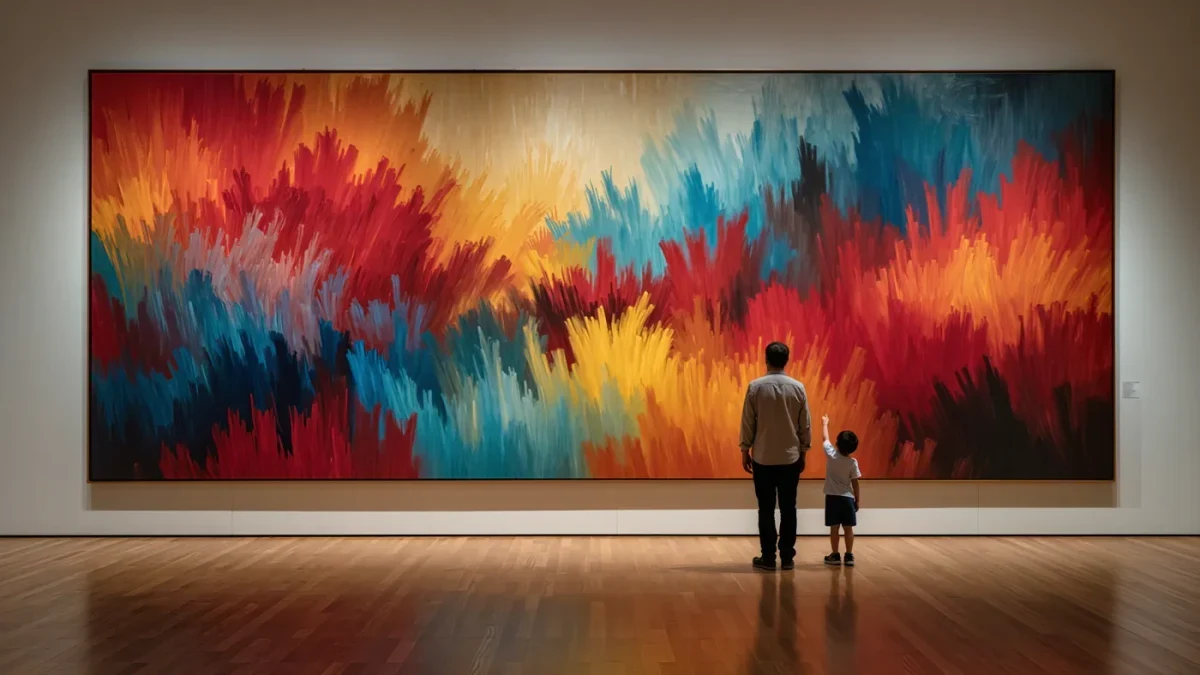
How do you teach kids to read art? Visual literacy basics
Children can learn to decode images the way they decode text — through questions, vocabulary, and slow looking, long before they can name a single artist.
Learning examines the teaching that happens inside entertainment: history embedded in a game map, arithmetic in a strategy layer, reading practice from subtitles, vocabulary from fan communities. Claims get checked against research, and marketing dressed as pedagogy is named. Useful to teachers building lessons and parents assessing an educational label.
Where entertainment teaches something real, such as history in a map or math in a strategy layer, and where the educational claim is only marketing.
Children can learn to decode images the way they decode text — through questions, vocabulary, and slow looking, long before they can name a single artist.

Halving recipes, counting cups, and estimating portions give children math practice with immediate, edible feedback — no workbook required.
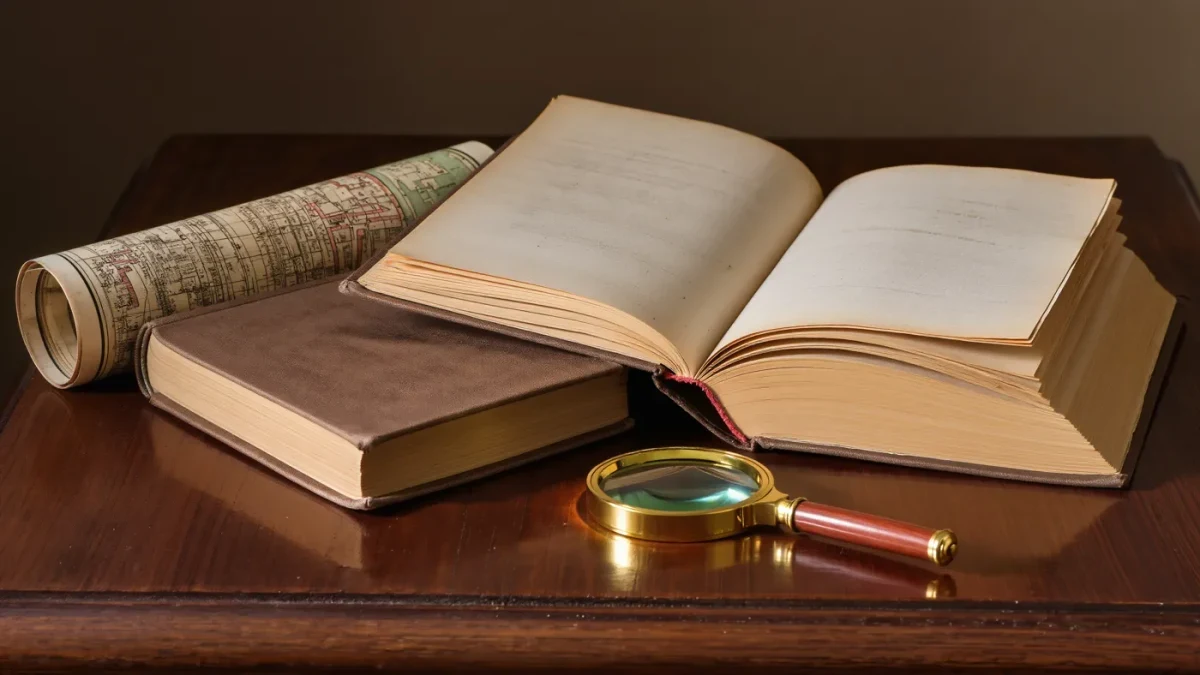
Stories carry children into the past in a way textbooks can't — and the gaps between story and record become the history lesson itself.
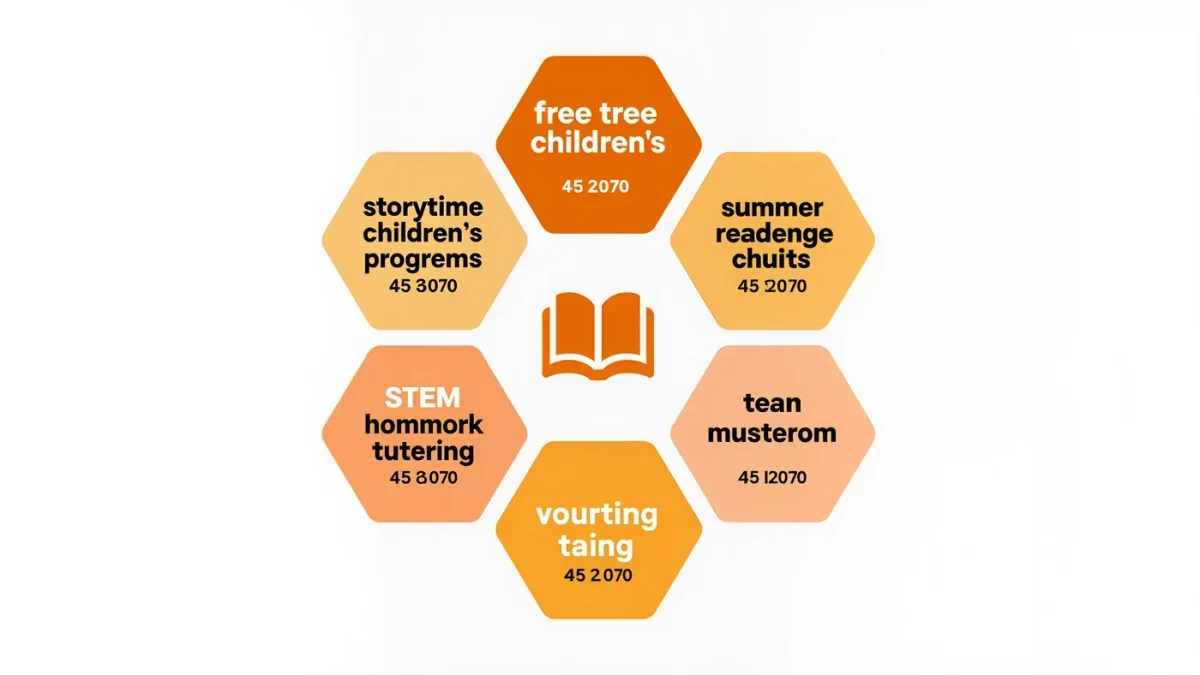
Free tutoring, STEM kits, summer reading programs, museum passes, and librarians whose entire job is helping your child — most families never ask.
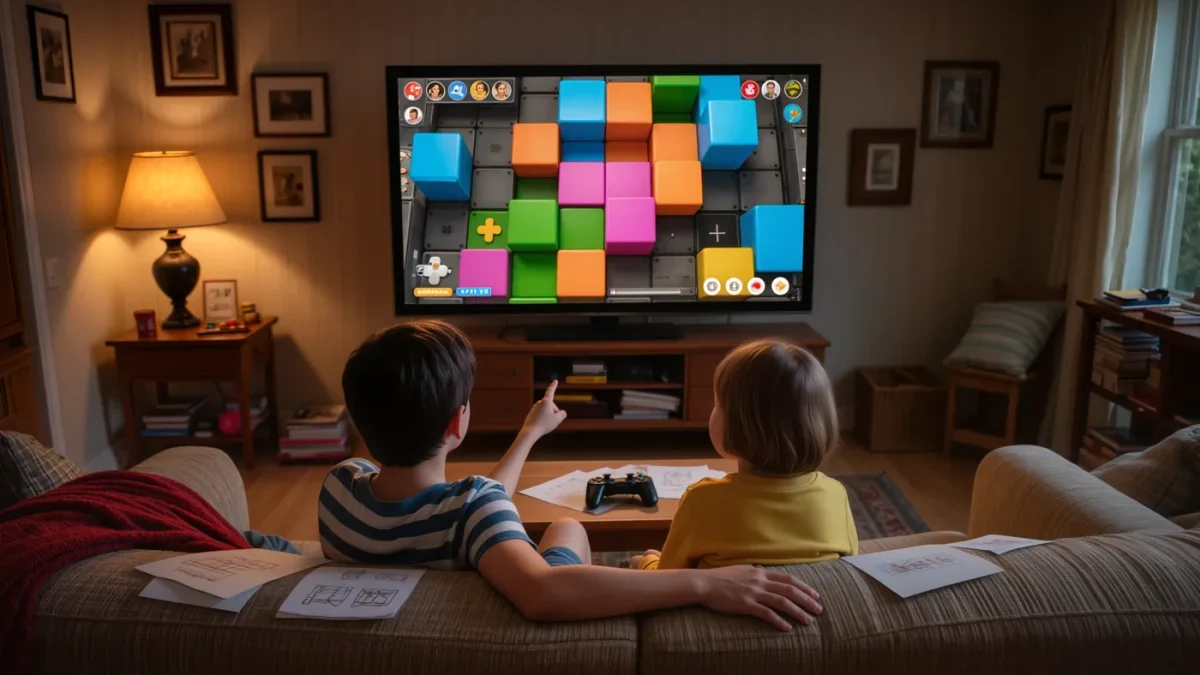
The evidence on games and problem-solving is more interesting than both the panic and the hype: some genres show real cognitive gains, and context decides a lot.
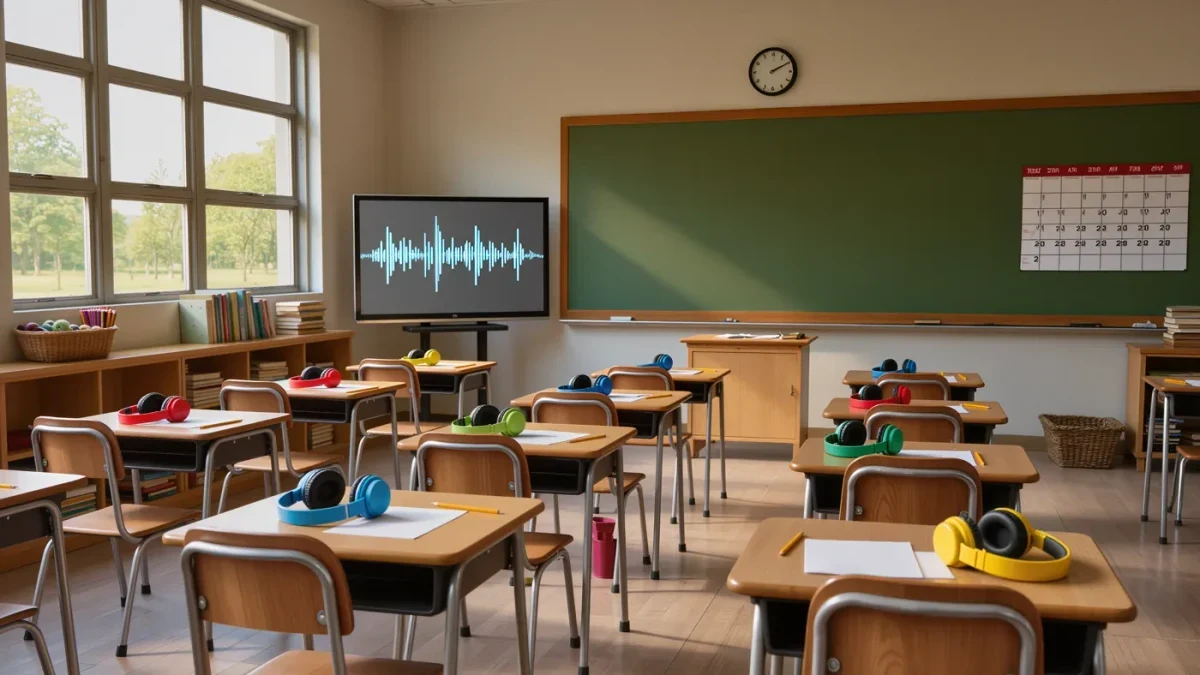
Audio is having a quiet second act in schools: teachers use kids' podcasts for transitions, listening skills, and topics they can't field-trip to.