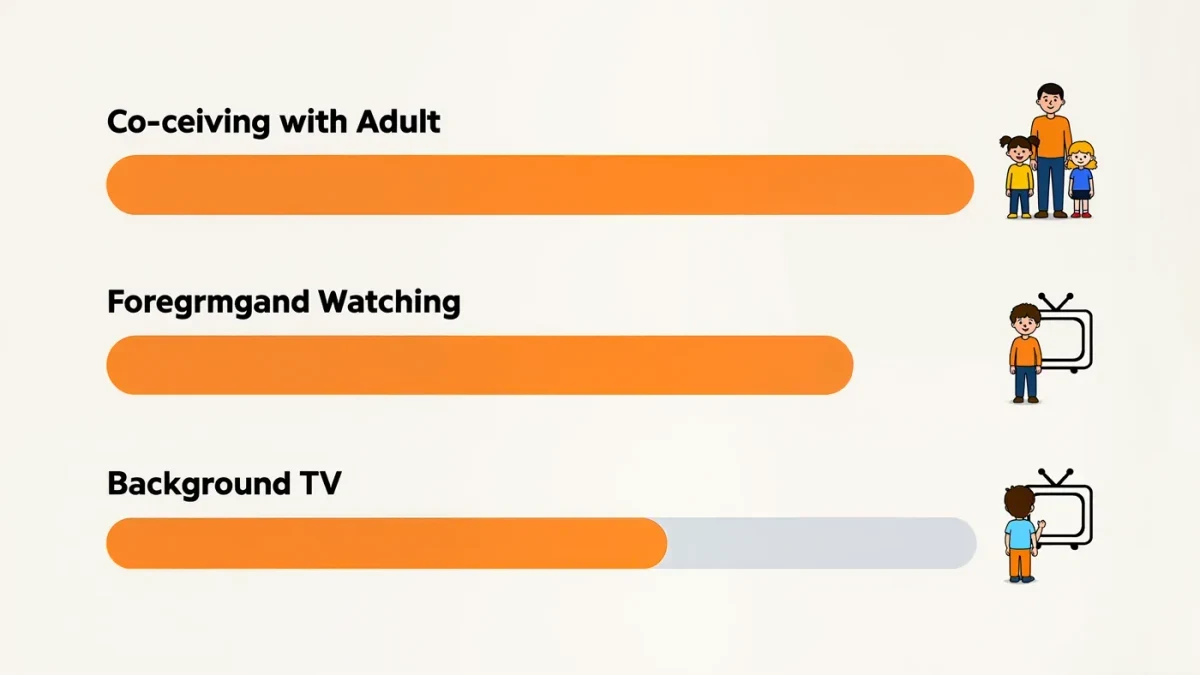
What does research say about educational TV for preschoolers?
Half a century of evidence, from Sesame Street studies to today's co-viewing research, shows content quality and adult company matter more than the hour count.
Where entertainment teaches something real, such as history in a map or math in a strategy layer, and where the educational claim is only marketing.
Half a century of evidence, from Sesame Street studies to today's co-viewing research, shows content quality and adult company matter more than the hour count.

Children can learn to decode images the way they decode text — through questions, vocabulary, and slow looking, long before they can name a single artist.

Halving recipes, counting cups, and estimating portions give children math practice with immediate, edible feedback — no workbook required.

Stories carry children into the past in a way textbooks can't — and the gaps between story and record become the history lesson itself.
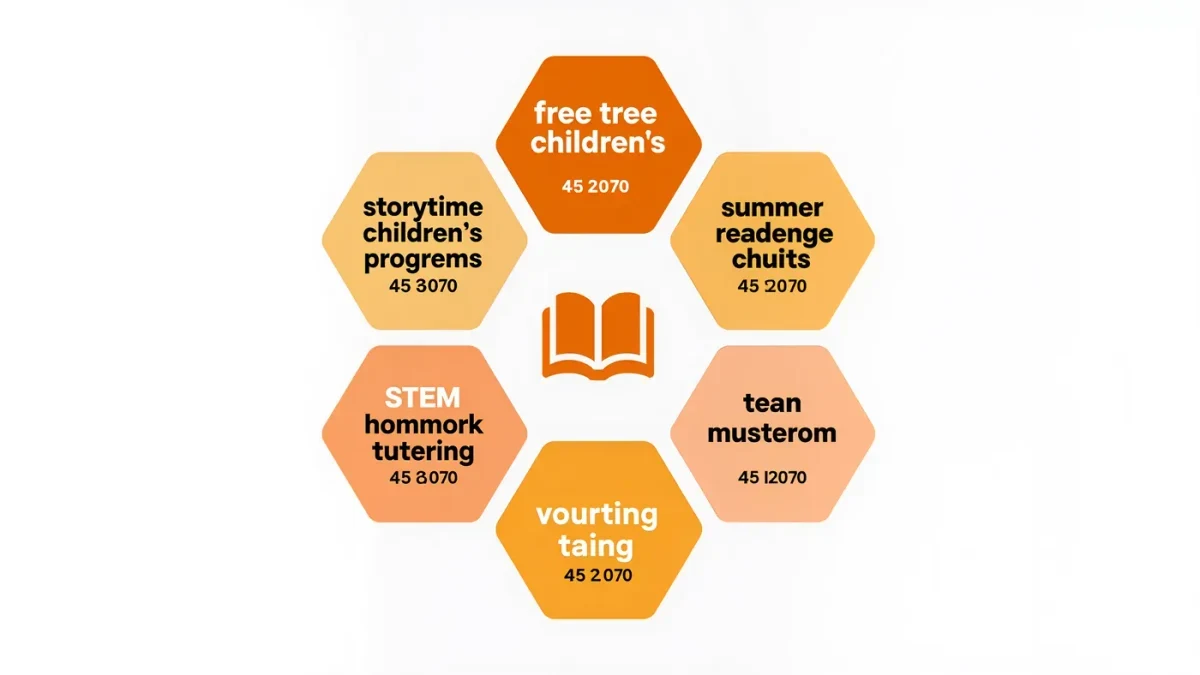
Free tutoring, STEM kits, summer reading programs, museum passes, and librarians whose entire job is helping your child — most families never ask.
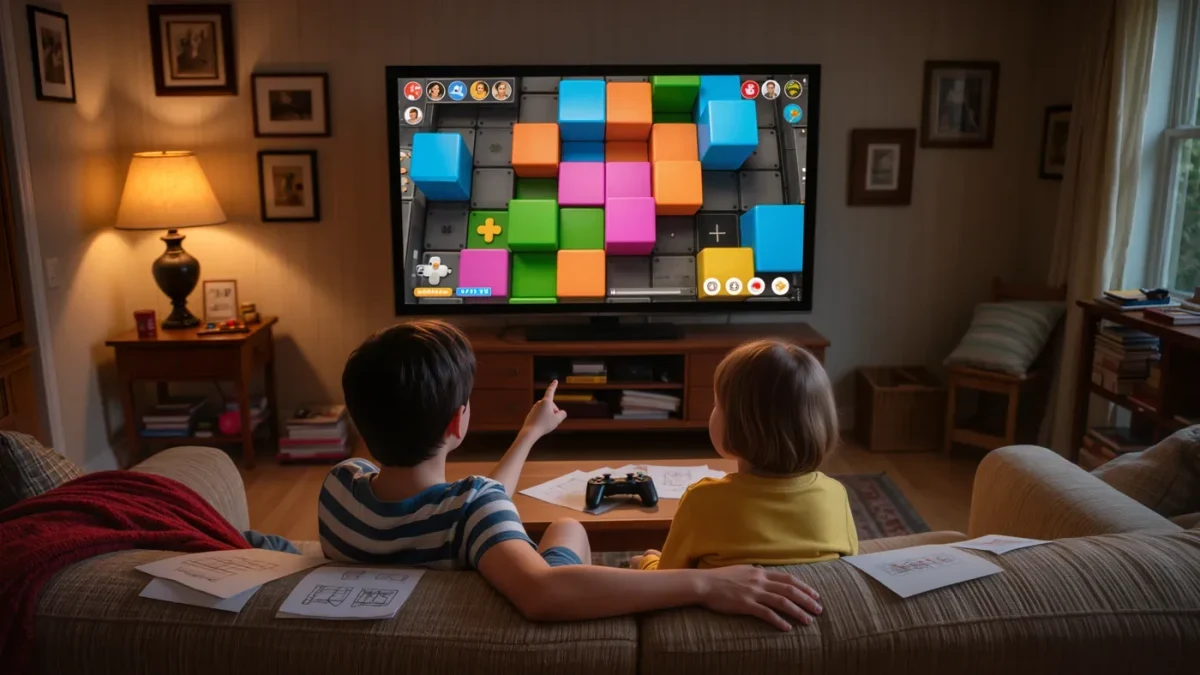
The evidence on games and problem-solving is more interesting than both the panic and the hype: some genres show real cognitive gains, and context decides a lot.