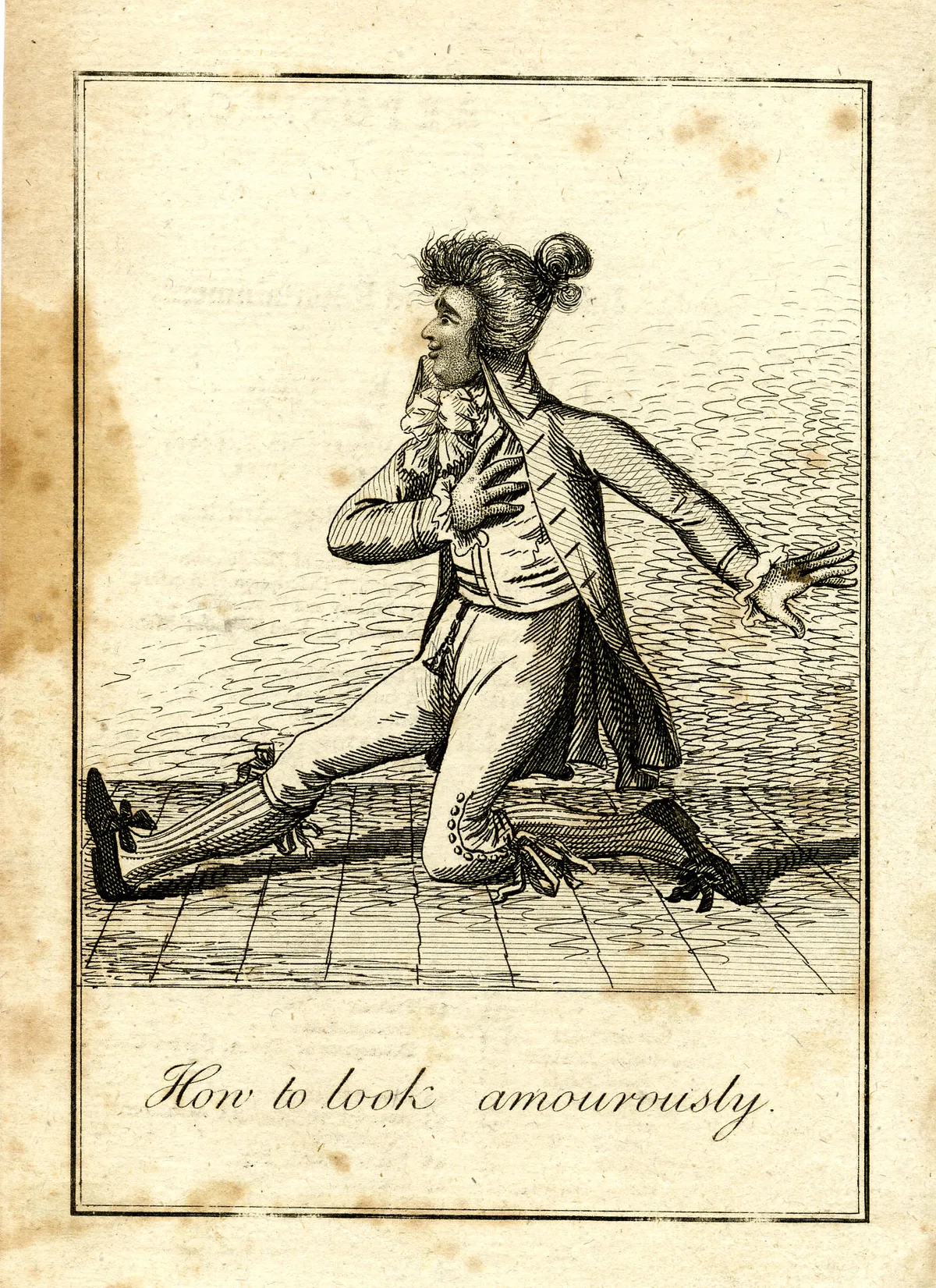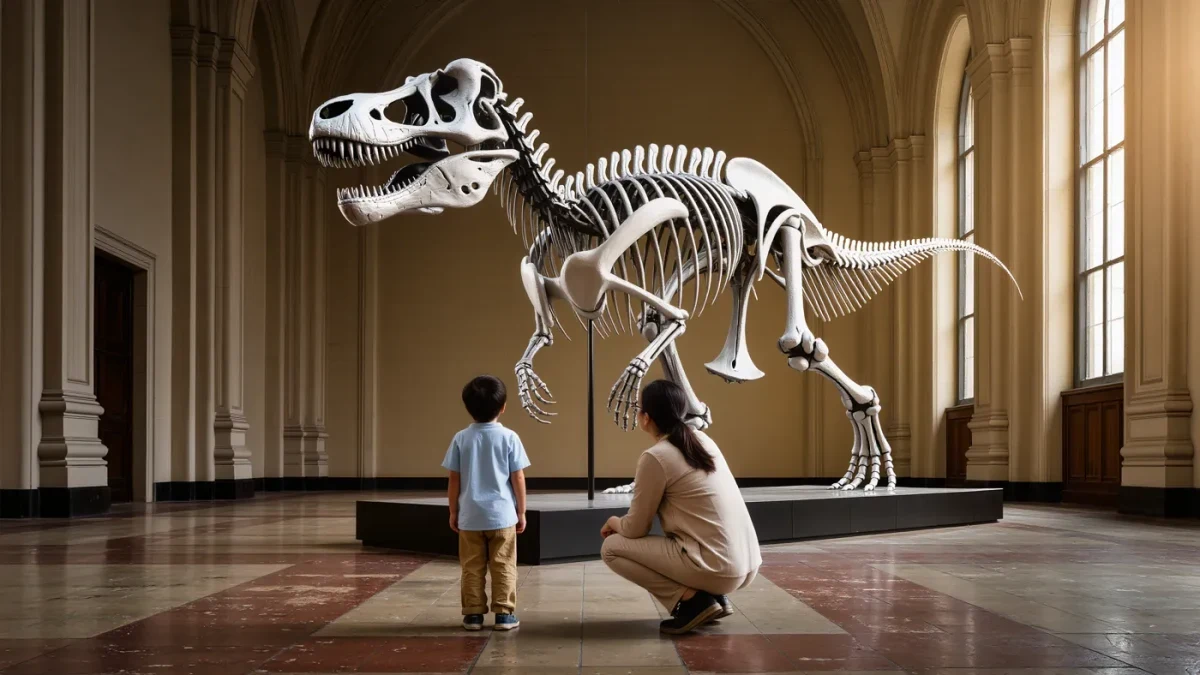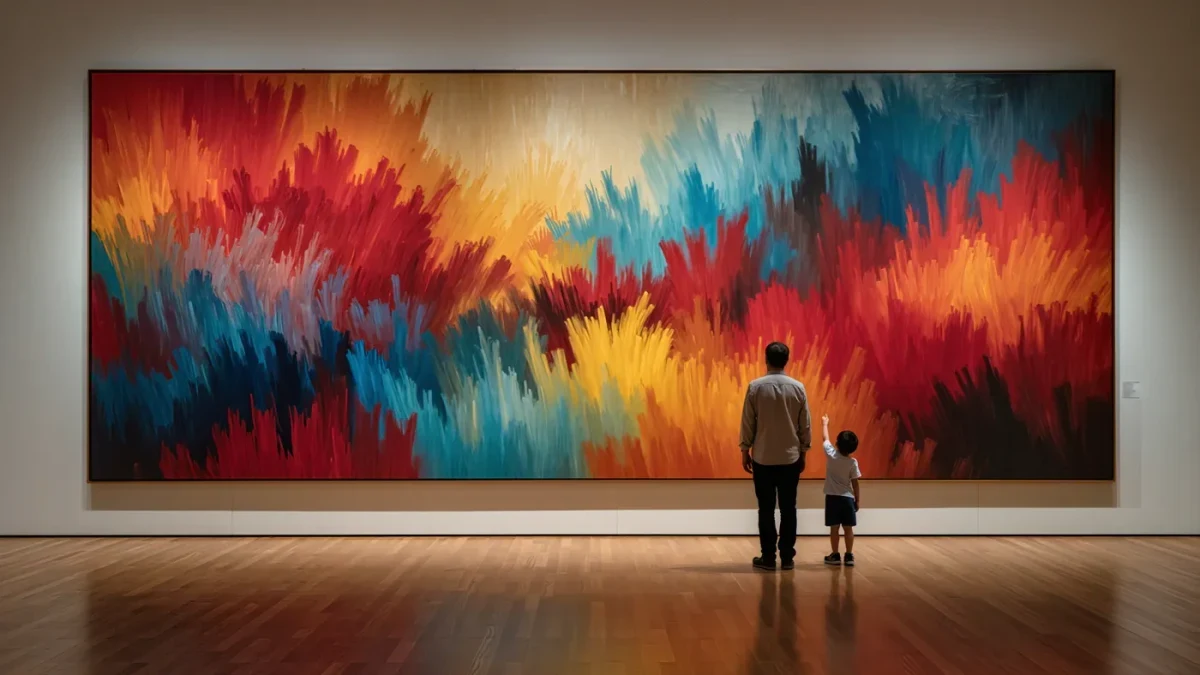
Visual literacy — the ability to look at an image and ask what it shows, what it hides, and what it wants from you — is a teachable skill, and children start earlier than most adults assume. The National Education Association has identified visual literacy among the foundational competencies for young learners, and art museum education programs have taught it to five-year-olds for decades using nothing but open questions. A child who can read a painting can also read an advertisement, a meme, and a news photo. This is information, not advice.
What is visual literacy, exactly?
It's reading for images: noticing what's there, interpreting what it means, and evaluating what it's trying to do. Media literacy researchers break image-reading into the same questions text-reading uses. What is shown — literal description. What does it mean — interpretation using clues like color, light, and composition. Who made it and for whom — purpose, which is where advertising and propaganda become readable. A visually literate child isn't one who knows art history; it's one who habitually asks those three questions before deciding what an image is telling them.
Can preschoolers really do this?
Yes, in simple form. Museum educators' standard toolkit for young children — used in programs at major U.S. art museums — relies on three prompts: What do you see? What's happening? What makes you say that? The third question is the load-bearing one: it asks for evidence, which is the seed of both art interpretation and critical thinking generally. A four-year-old pointing out that the dog in the painting is "sad because his head is down" is doing full-spectrum visual analysis. The vocabulary and sophistication grow; the questions never change.
What vocabulary helps, and when?
Naming what we see is half the skill. A small, sturdy word-set grows with the child.
| Age | Words to use while looking |
|---|---|
| 3–5 | color, shape, big, small, up, down, same, different |
| 5–8 | line, light, dark, center, edge, mood, close-up, far away |
| 8–11 | contrast, perspective, focus, symbol, portrait, scene, style |
| 11+ | composition, framing, exaggeration, persuasion, source, caption |
The right column doubles as advertising literacy: framing, exaggeration, and persuasion are exactly the levers a cereal box or a game trailer pulls.
How do you do this at home without art expertise?
Use what's already around you. Picture books: illustrations make superb first texts — pause on a spread and ask what the picture tells us that the words don't. Family photos: whose picture gets taken, who's missing, what got cropped out. Packaging and ads: why is that burger so big, why is the font shouting. Museums and galleries when you can, but the weekly grocery run supplies more images than any museum visit. Your expertise is not the product; the questions are. If you don't know why a painting works, say so and investigate together — that modeling matters more than answers.
What about screens and photos children see online?
This is where visual literacy stops being an art appreciation nicety and becomes protective. Children today meet more engineered images in a week than their grandparents met in a year, and media literacy research links image-questioning habits to resilience against misinformation and advertising pressure. Two family habits carry most of the value. First, "who made this and what do they want?" applied out loud to anything from cartoons to influencer photos. Second, slowing down: many manipulated or misleading images survive only because nobody looks for more than two seconds. Teaching a child to look twice is teaching them to think twice.
Does any of this interfere with just enjoying art?
It deepens enjoyment; the worry is backwards. Music fans who learn structure hear more, not less, and readers who learn craft enjoy books more. The questions are not an exam — there are no wrong answers to "what do you see," and interpretation is a conversation, not a solution key. Some evenings you'll look at a picture for four minutes and move on; occasionally a child will linger for twenty and surprise you. Whether your family leans toward museums or picture books is your call; the skill builds identically in both.
The short version
Teach three questions — what do you see, what's happening, what makes you say that — and use them on everything: paintings, picture books, ads, photos. Add descriptive words gradually, model honest curiosity, and apply the same habit to the engineered images in your child's feed. A child who reads images carefully grows into an adult whom images have to work harder to fool.