How to set up shared family streaming accounts safely
Separate profiles, kids' modes, purchase locks, and a short conversation about terms: the whole setup takes one evening.
The negotiations at home: device rules that hold, shared watching across age gaps, sibling disputes and agreements that survive a second week.
Separate profiles, kids' modes, purchase locks, and a short conversation about terms: the whole setup takes one evening.

The family dinner is where media literacy actually gets taught, one open question at a time.
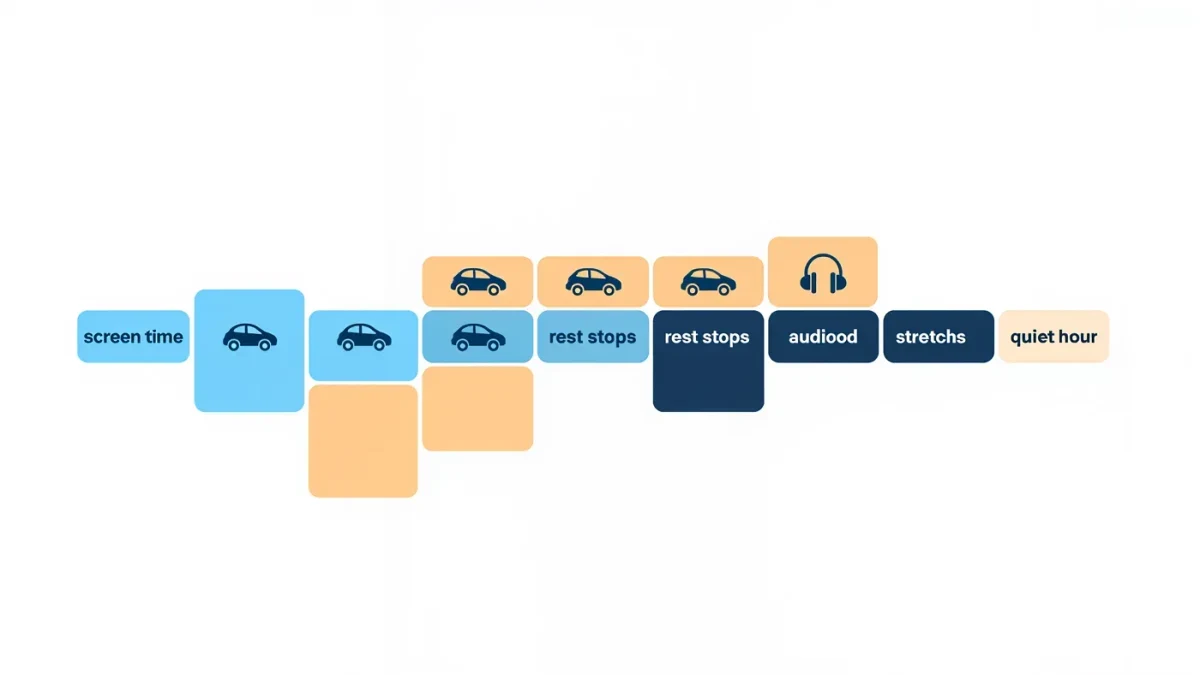
A road trip screen plan is a budget, not a ban: decide the windows before you drive, and the car stops being a fight.

The first three weeks decide whether game night becomes tradition or cardboard clutter; here is how to get past them.

Video calls with toddlers are short, chaotic, and still worth it, if you set them up as play rather than conversation.

One family, three developmental stages: a practical framework for media rules that feel fair to a five-year-old, a nine-year-old, and a thirteen-year-old.