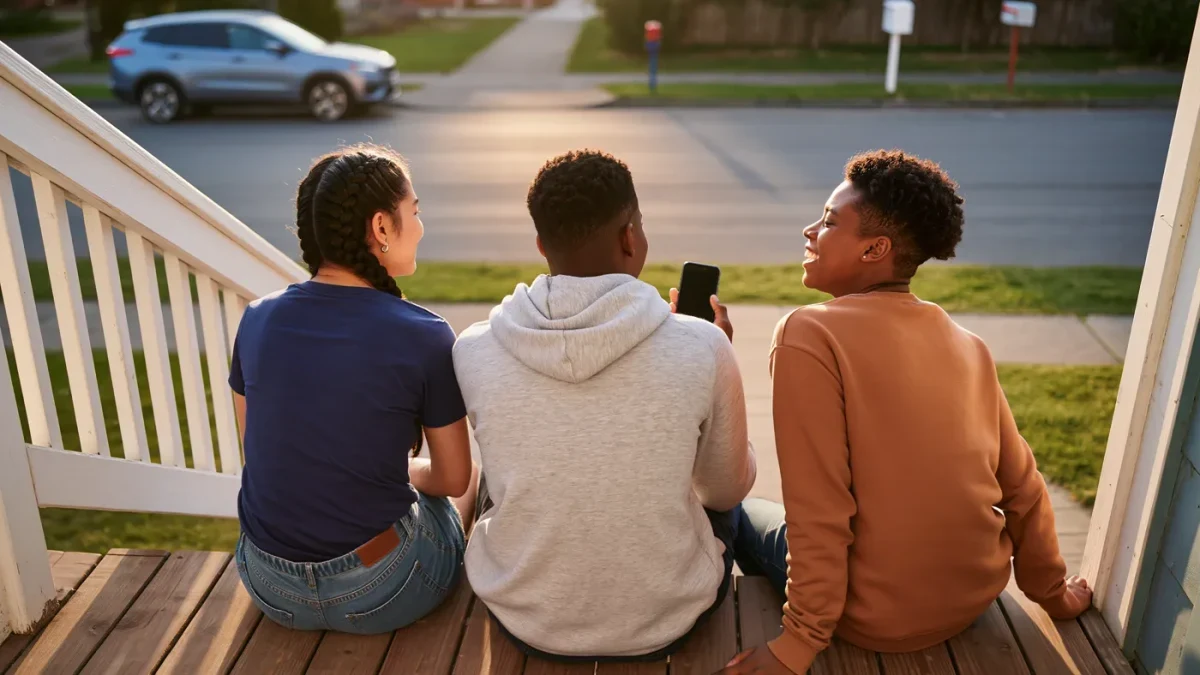
Cruelty used to end at the school gate. Now it can follow a child home in their pocket. Cyberbullying is bullying carried out through phones, apps, and games, and it has become increasingly common among teenagers as social media use has grown.
Not every mean comment counts as bullying, and the difference matters for how you respond. This guide explains what separates bullying from ordinary conflict, which signs to watch for, and the first steps to take if it happens to your child.
What makes it bullying, not just drama
Two features set bullying apart: the behavior repeats, and there is intent to harm. Researchers define cyberbullying as "an aggressive, intentional act or behavior that is carried out by a group or an individual, using electronic forms of contact, repeatedly and over time against a victim who cannot easily defend him or herself," according to the definition quoted by Wikipedia. One rude reply from a stranger is unkind. A repeated campaign against someone who cannot defend themselves is bullying, and it calls for a different response.
The harmful acts vary. They can include posting rumors, threats, sexual remarks, personal information, or hate speech. Some bullies hide behind fake profiles to spread their messages.
Why it can cut deeper than the schoolyard kind
Cyberbullying is often an extension of bullying that already exists offline. Few students are targeted online alone. The online form has two sharp edges of its own. Victims may never know who is attacking them or why. And the content spreads easily among many people and often stays accessible long after the incident, so the harm does not end when the school day does. Readers following this should also see School Phone Bans in 2026: What Families Should Know.
The signs at home are usually quiet ones. Watch for mood swings after phone time, secrecy about screens, or a child who suddenly avoids a game or app they loved. Some kids go quiet. Others get jumpy when a notification lands. None of these alone proves anything. A cluster of them is worth a gentle question.
First steps when it happens
Stay calm and start by listening. Your child needs to know they are not in trouble, and that the phone will not be confiscated as a first move. Then work through the basics. This connects to our earlier piece, Group Chat Etiquette: What Teens and Parents Should Know.
Save the evidence. Screenshots with dates and user names.
Do not hit back. A counterattack can turn your child into a participant.
Use the platform's tools. Report the account, block the sender.
Loop in the school. Since online bullying usually extends offline bullying, the school often needs to know.
Call police for serious threats. Several US states and other countries have passed laws to combat cyberbullying.
Helping your child recover
Being targeted online hurts victims, and it hurts the bullies too. Research points to the intensity, duration, and frequency of the bullying as the three things that drive how deep the damage goes. In the weeks that follow, watch your child's sleep, appetite, and mood. Keep routines steady. Keep the conversation open. Bring in a school counselor or a therapist if the low mood does not lift, or if they pull away from friends. Recovery is rarely instant, and steady support at home does most of the work.
One more thing worth saying. If your child did the bullying, handle it without shaming. Young people drift into cruelty in groups, sometimes without naming it as such. Calm accountability, a real apology, and a close watch on their accounts teach more than a blowout argument ever will. The goal is a child who repairs harm, not one who hides it better.
Conclusion: Calm, steady, and on their side
A child dealing with online cruelty should remember one thing above all: they did nothing wrong, and they are not alone. Spot the pattern early, save the evidence, use the reporting tools, and keep talking. That calm, consistent response teaches a child more about handling hard things than any lecture ever could.
This article is general information, not professional advice. Talk with a qualified counselor or clinician about your child.