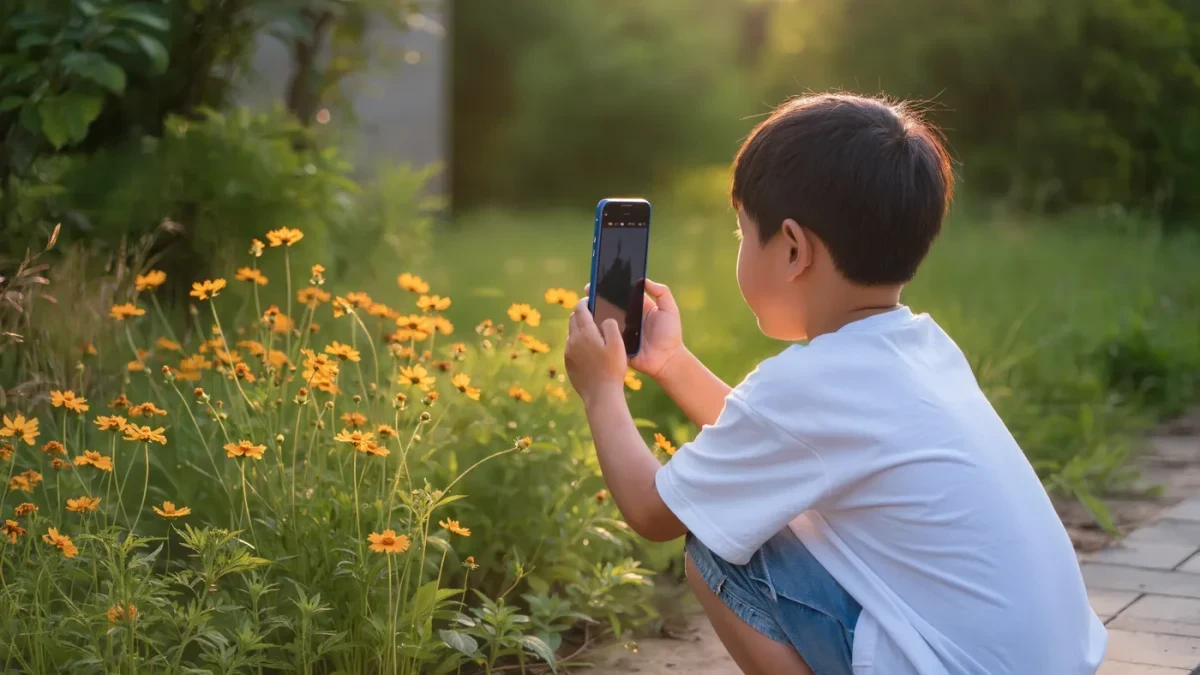
Yes, any phone — even a cracked hand-me-down with no SIM card — is a genuine camera for a child's hobby. Photography builds observation, patience, and editing judgment, and it needs almost no equipment budget, which is exactly why it suits families. Research on creative hobbies in childhood links them with wellbeing and persistence, and photography is among the cheapest to start. What separates a two-week fad from a lasting interest is structure: a defined camera, a few skills introduced at a time, and audiences who respond to the work rather than the child's cuteness.
What device should a kid start with?
A retired phone is the standard answer, and it works well. Wipe it, skip the SIM, keep it on Wi-Fi for photo backup only, and turn on airplane mode with the camera allowed — an offline camera with no feed is a tool rather than a distraction. If the phone stays connected, disable the social apps and notifications so the camera app is the only reason to pick it up. A basic point-and-shoot is a fine alternative, but do not buy one before the interest survives a season on the old phone. Whatever the device, add a wrist strap on day one; drops, not disinterest, end most young photography careers.
What should they learn first?
Introduce one skill per week, in roughly this order. Composition before buttons:
- Week one — filling the frame: move closer instead of zooming; most beginner shots are too far away.
- Week two — the rule of thirds: turn on the camera's grid lines and place subjects off-center.
- Week three — light direction: notice where light comes from, shoot with it behind the photographer's shoulder, and find shade at midday.
- Week four — one subject: each photo should be about one thing; everything else is background.
- Week five — angle: kneel, climb, shoot from the side; changing eye level changes everything.
After that, simple editing apps and the exposure slider. Resist teaching everything at once; a single idea per outing keeps it fun.
What makes a good photo assignment?
Assignments beat wandering. A list gives the hobby purpose and produces a reviewable body of work. Reliable ones that work at any age: a color walk (only red things), the same tree for a month, everything in the kitchen from above, textures, shadows, the dog's day, and "ten photos of one object without repeating yourself." Older children take to themed series — a neighborhood documentary, sports action, or food styling. Weekly review matters as much as shooting: sit down together, let the child pick their three favorites, and ask why. Explaining choices builds the eye faster than any tutorial.
What does photography quietly teach?
Beyond the pictures, the hobby trains a set of transferable habits. Observation: a photographer notices light, patterns, and moments others walk past, and that attention carries into science and writing. Patience: waiting for a cloud, a bird, or the right expression is a slow lesson in delayed gratification. Decision-making under constraint: choosing one shot from fifty teaches editing judgment, the same skill a good essay or a good presentation needs. And iteration: photographers routinely fail, adjust, and reshoot, which makes photography a low-stakes place for a child to practice resilience and honest self-review. When the child complains that a shoot went badly, that is the hobby working, not failing.
How do we handle sharing the photos?
Keep the default audience small and known. The safest frame is a shared family album or a private photostream that grandparents can see, with the child choosing which photos go in. If a child wants a public account, most platforms set a minimum age of 13, and that boundary exists for good reasons around data collection and comments. Two rules travel well regardless of platform: always ask before photographing a person, and always ask before sharing a photo of someone. A child who learns consent behind the camera early carries it into every group chat later.
What about contests and school clubs?
Both are worth seeking out when interest holds. Many local fairs, libraries, and community centers run youth photo contests with simple entry rules, and school yearbook or newspaper clubs give assignments and deadlines, which is what hobbyists of any age need. Check contest terms before entering: avoid ones demanding broad rights to reuse the child's work without credit. If nothing exists locally, a monthly family photo walk with a shared theme does the same job, and a printed album at year's end gives the hobby a permanent record no app feed can match.
What gear is actually worth adding later?
Almost nothing at first, and a few cheap things later. A wrist strap and a microfiber cloth cover the essentials. After a few months, a small tabletop tripod opens up night shots and self-timed group photos, and a clip-on macro lens costs little and produces dramatic results with flowers and insects. Skip the expensive gear and the editing subscriptions; free tools do everything a young photographer needs. The one upgrade with real value is printing — a box of prints or a cheap photo book at the end of a project makes the work feel permanent and worth protecting.
How do I keep the interest alive?
Three things sustain it: a project with an end, an audience that responds to the work, and skills that keep arriving slowly. Print photos monthly — physical prints on the fridge matter more to a child than likes. Let the hobby be the child's; your job is logistics, rides, and honest interest in what they made, not direction. Some months it will go quiet, and that's normal too. Whether it becomes a career skill or just a way of noticing the world, the camera does its work either way, one noticed moment at a time.