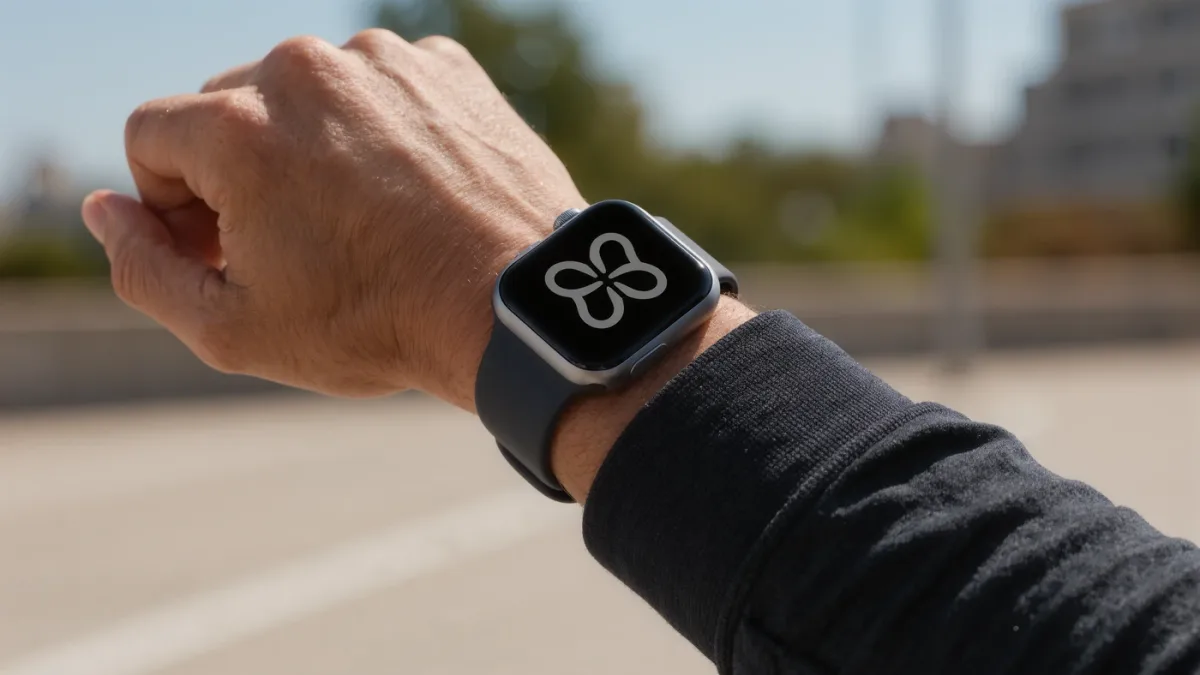
A kids' smartwatch is best understood as a training phone: it delivers calls, location, and a few apps in a form parents can control tightly. The pros are real — GPS check-ins, calls to a short approved list, and a gentler on-ramp to mobile communication than a full smartphone. The cons are real too: some models have collected children's data in ways that drew regulatory action. In 2023 the Federal Trade Commission charged a kids' smartwatch seller over alleged COPPA violations, and the FTC's broader crackdowns on kids' data have only intensified since.
What are the genuine pros of a kids' smartwatch?
The strongest case is communication without a feed. A watch lets a nine-year-old call a parent from the bus stop or an after-school program without carrying a device built around apps designed to hold attention. GPS location adds a layer of comfort for walking-to-school transitions. Watches also tend to lack the two features that make phones hard to put down — an endless scroll and a camera roll full of social pressure. For many families, a watch buys one to three years before a phone becomes necessary.
What are the cons parents should weigh?
Three drawbacks come up consistently. First, precision: the location features vary widely in accuracy, and a watch is not a substitute for supervision. Second, durability and battery life — a dead watch in the afternoon defeats the entire purpose. Third, and most important, data practices. Children's wearable data is covered by the Children's Online Privacy Protection Act, COPPA, which has required verifiable parental consent for collecting data from children under 13 since the rule took effect in 2000 and was amended in 2013. The FTC has brought cases against kids' wearable makers, so the category's track record is not spotless.
One more practical con: cost compounds. Beyond the watch itself, most models require a monthly cellular plan, and replacement bands and screens add up over two years of playground wear. Compare the total two-year cost against a basic prepaid phone before deciding — families are sometimes surprised which path is cheaper.
What does COPPA mean for a watch purchase?
COPPA gives you leverage as a buyer. Any online service directed at children under 13 — including companion apps for kids' smartwatches — must get verifiable parental consent before collecting personal information, and must let parents review and delete it. In 2025 the FTC finalized amendments that strengthen the rule, including tighter limits on disclosing data to third parties. Practically: before buying, find the privacy policy, check whether the companion app requires an account tied to your child, and confirm you can delete the data if the watch goes back. A manufacturer that makes this hard is telling you something.
Which settings matter most on the first day?
Set the watch up before handing it over, not during the excited unwrapping. The settings that carry the most weight:
- Contact list: restrict calls and messages to an approved list only, and disable contact requests from strangers. Open messaging is the single biggest hole in a kids' device.
- Location sharing: keep GPS sharing limited to the parent app and to the family, not friends or any social feature.
- App and app store access: turn off third-party app installs entirely; the games that arrive later are where attention problems begin.
- Camera and voice features: disable unless you specifically need them; cameras on wrists create playground incidents.
- School mode: enable any classroom or do-not-disturb setting so the watch does not buzz during lessons.
- Emergency info: set the SOS button to call you first, and test it together.
What age is right for a smartwatch?
There is no official age, and this is your family's call. Families commonly introduce a watch between ages seven and ten, when a child starts having independent moments — walking to school, staying at activities — but does not yet need group chat. Readiness signs: your child can keep track of a physical object, understands the watch is for calling parents rather than entertainment, and can follow rules about when to wear it. If your six-year-old mostly wants games, the watch will not satisfy that itch, and a phone is not the answer either.
How do smartwatches compare with just waiting for a phone?
The comparison depends on what problem you are solving. If the problem is logistics — pickups, schedule changes, a child home alone for thirty minutes — a watch solves it with less risk. If the problem is social inclusion, because friends coordinate in group chats, a watch largely does not help, and waiting can carry its own social cost. Some families run a watch at age eight, a basic phone at eleven or twelve, and a full smartphone in middle school. Others skip the watch entirely. Both paths can be healthy; drifting into a device because a birthday arrived is what parents tend to regret.
How do we set expectations with the child?
Write the rules down before the first wear. Who can be called, when the watch comes off, what happens if it is lost, and — this one matters — what parents can see on the location app and why. A child who learns the watch is transparent and mutual, not a tracking surprise, builds trust rather than resentment. Revisit the agreement each school year. As children approach thirteen, COPPA's protections phase out, and the habits built during the watch years — consent, transparency, agreed limits — become the family's real safety infrastructure.