A family digital detox weekend works when it replaces screens rather than merely removes them. Pick one weekend, plan the replacement activities in advance, and tell everyone the plan a few days ahead instead of announcing it on Friday night. Guidance from the American Academy of Pediatrics has long recommended designated media-free times for families, such as shared meals and bedtime, and a detox weekend is simply the most visible version of that idea. Done well, it gives everyone, including you, a reset point the family can return to.
Why do a detox weekend at all?
The goal is calibration, not purification. Most families fall into patterns gradually — one more episode, one more scroll — and a planned break makes those patterns visible again. After a weekend offline, many parents report that bedtime routines go more smoothly and conversations run longer. That is anecdotal, not clinical, but it matches what researchers see when media use displaces sleep and face-to-face time. The detox is a diagnostic tool: it shows your family where screens were doing real work and where they were just filling air. You are looking for information, and every complaint is a data point.
How should we prepare for the weekend?
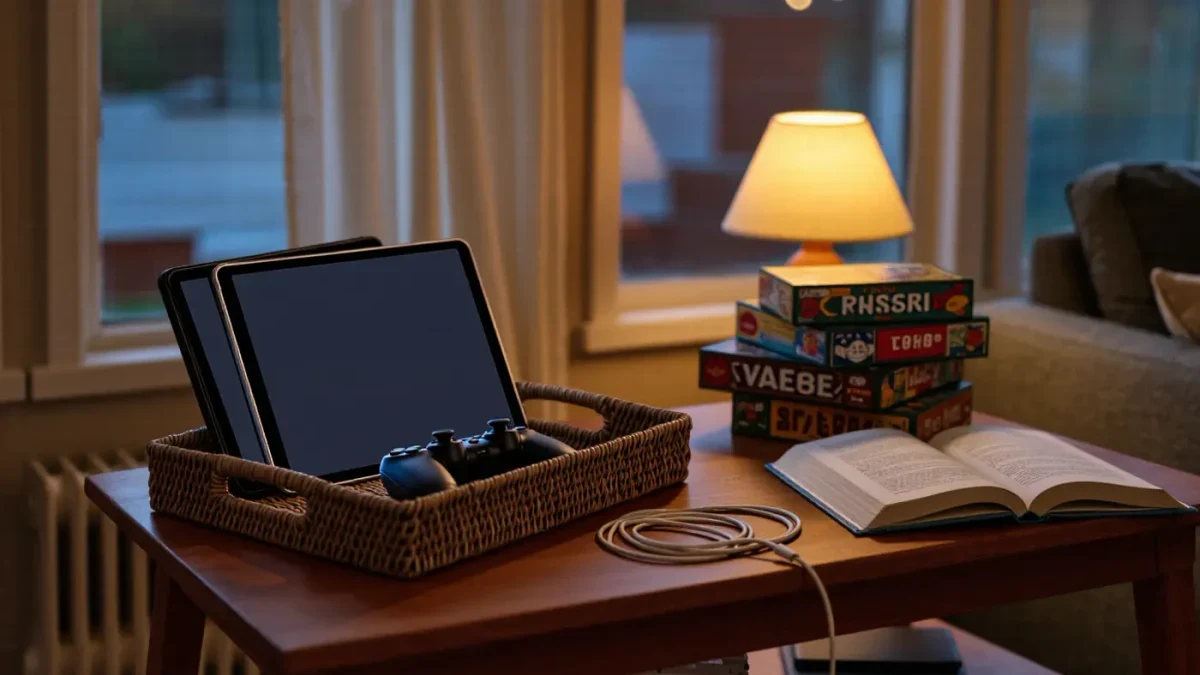
Preparation does most of the work. Hold a short family meeting midweek and frame the weekend as an experiment, not a punishment. Let each person, children included, pick one activity they genuinely want to do. Build a written plan with time blocks — Saturday morning, Saturday afternoon, Sunday — so nobody is staring at an empty stretch of hours. Charge devices out of sight in a drawer or a bedroom you rarely use, and dig out physical alternatives in advance: board games, art supplies, the bike pump.
What does a realistic schedule look like?
Plan roughly one anchor activity per half-day and leave free time around it. A sample shape looks like this:
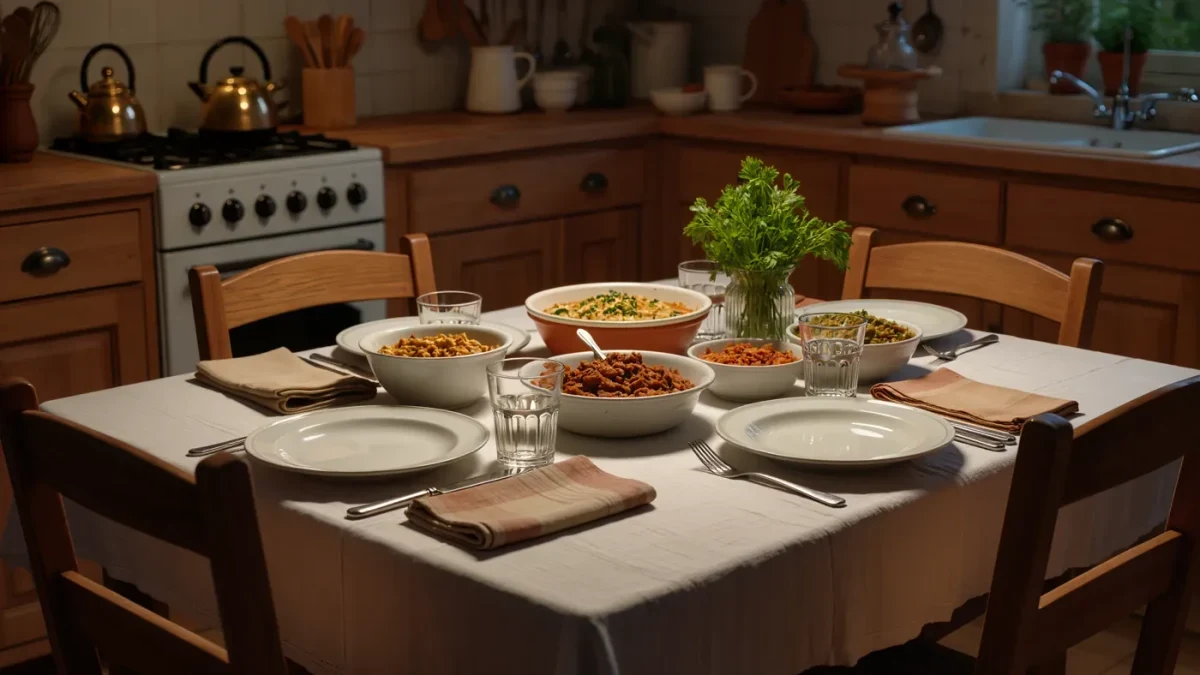
- Saturday morning: a slow family breakfast where nobody cooks alone, then an outdoor block — a park, a trail, or even a long walk around the neighborhood with a small mission like counting dogs.
- Saturday afternoon: a making block. Cooking a new recipe together, building a blanket fort, assembling a model, or starting a puzzle that stays out all weekend.
- Saturday evening: a analog wind-down — board games, cards, reading aloud, or an early movie night only if you agreed the film is the one sanctioned exception.
- Sunday: a bigger outing such as a museum, a library visit, a swim, or a hike, then a low-key afternoon and a family debrief over dinner.
Boredom will happen. Let it. Pediatric guidance generally treats boredom as the on-ramp to self-directed play, and most children move from protest to play within twenty minutes if adults stay calm and offline themselves.
Build in one low-effort block too. Not every hour needs an activity, and a detox that feels like a cruise itinerary will exhaust the adults first. A lazy Sunday morning with books, music on a speaker, and pancakes counts fully. The weekend should feel like more life, not more logistics.
Should parents really go screen-free too?
For the shared blocks, yes, visibly. A parent scrolling through the board game cancels the lesson the weekend was meant to teach. Children calibrate their habits to what they see, and a detox where the adults hold a phone under the table reads as hypocrisy rather than family policy. If you must keep a device for work or safety, name that exception out loud — "my phone stays on for the on-call rotation" — so children understand the difference between a tool and a toy. Transparency about your own exceptions is itself a media-literacy lesson.
What about work calls and safety exceptions?
Define the exceptions before Saturday, in writing, and keep the list short. Common legitimate exceptions include a device used as an alarm that lives face-down, a parent on an on-call rotation, and a shared family phone kept in a fixed spot for coordinating pickups. What sinks detox weekends is not the exceptions themselves but the blurry ones — the quick work email, the "just checking the weather" that becomes fifteen minutes. If a device must stay functional, log out of the apps that pull attention hardest, and tell the family exactly why the device stays on. Children accept a rule they can see the logic of far more readily than a rule that seems to bend only for adults.
What if someone cheats or melts down?
Expect both, and decide in advance that neither ends the experiment. A teenager sneaking twenty minutes in their room is information about dependence, not a moral failure; respond with curiosity rather than confiscation. Younger children may have genuine withdrawal-style irritability on the first day, which typically fades by the second. Keep the debrief honest: what was hard, what was surprisingly fun, what everyone missed. The point of the weekend is the conversation it produces, not a perfect score.
What happens after the weekend ends?
End deliberately rather than letting screens creep back in. At Sunday dinner, ask each person to name one thing they want to keep — a nightly reading block, phone-free meals, a weekend walk — and write down the family's answers. Reintroduce devices with a specific plan: where they charge overnight, when they come out in the morning, what the new baseline is. Families who keep even one anchor habit report the weekend paid for itself. Information, not medical advice — if your child's distress around being offline is severe or persistent, that is worth raising with a pediatrician.
How often should a family do this?
That is your family's call. Some families run a detox weekend quarterly, others once a season, others never formally but keep weekly phone-free blocks instead. The cadence matters less than the family's shared awareness of its own habits. If a single weekend changes nothing about the baseline routine, repeating it monthly will not either — the durable gains come from the small permanent rules the weekend helped you discover.