Start by asking what your child has already heard, because children usually absorb fragments and fill the gaps with something worse than the truth. Pediatric and trauma guidance from organizations like the American Academy of Pediatrics and federal health agencies converges on the same sequence: find out what they know, answer the actual question honestly in small pieces, limit repeated exposure to the images, and end every conversation with the helpers. You cannot fence children off from the news entirely, and trying to usually means they hear it unsupervised.
Why can't you just keep the news away from them?
Because the news leaks. A school bus radio, an older sibling's phone, a classmate's retelling at recess, a glimpse of a push notification, the odds of full containment drop sharply after age six and reach zero by middle school. Media research on news consumption by children consistently finds they encounter frightening stories far younger than parents assume, and that a child's imagined version, with no adult to correct it, is often scarier than the facts.
Being the source has a second advantage. When a child hears difficult news from a calm parent, the story arrives attached to an adult who is clearly not panicking, and that calm is itself the message. Child-development researchers describe this as the dual channel: the words you say and the face you say them with. The face does at least half the work.
What does an age-sized answer look like?
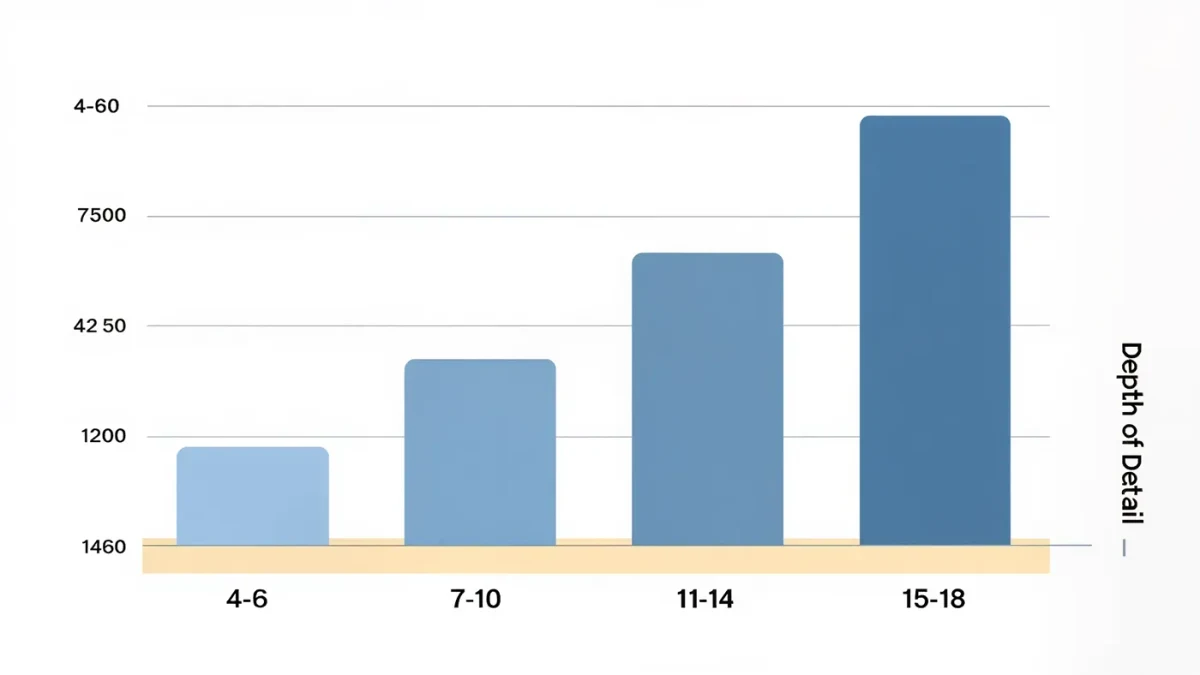
Preschoolers need one sentence, no footage, and reassurance that the grown-ups in their life are keeping them safe. Early elementary children need basic facts, an emphasis on rarity, and the helpers named specifically. Older children can handle context, and teenagers can handle the harder follow-up questions about causes and politics. A rough ladder:
| Age | How much to share | What to emphasize |
|---|---|---|
| 4 to 6 | One short explanation, only if they ask or have heard | You are safe; grown-ups are in charge; helpers exist |
| 7 to 10 | Basic facts, no graphic detail, limited images | The event is unusual; people whose job it is are responding |
| 11 to 13 | Facts plus simple context | How they can help or help themselves; healthy news limits |
| 14 and up | Near-full discussion, including disputed causes | How to evaluate sources; managing their own news feed |
Follow the child's questions rather than the front page.
Revisit the topic a day or two later without prompting. Children rarely digest frightening news in one sitting, and a follow-up conversation, opened casually in the car or at dinner with a simple question about what they have been thinking, often surfaces the worry that the first talk missed. One revisit is usually enough; a parent who raises the event nightly keeps it alive rather than laying it to rest.
Answer only what was asked, then stop and wait. Children ask in installments, and the pause between questions is when they process, not when you should keep going.What about the images?
Limit them, especially repeated loops. Trauma researchers and pediatric guidance both single out repeated exposure to the same graphic footage as the factor most strongly associated with fear and sleep disruption in children, sometimes outweighing the facts themselves. The same event, told in words, is processed very differently from the same event shown on a loop on a kitchen television. For children with their own devices, this becomes a concrete rule: news once a day, from a source you choose together, not a feed that replays automatically.
Background television deserves a specific mention. Many families absorbed difficult news in 2020 and the years after with the television on all day, and survey research on family media habits found young children re-exposed constantly without anyone deciding they should be. The fix is a household habit: adults get the news on personal devices with headphones or after bedtime, not on the family screen around the clock.
What do you say when they ask if it could happen here?
Answer honestly and proportionally, which is usually: it is very unlikely, and here is what is in place if it ever did. Zero-risk promises are lies, and children catch them, which costs you credibility for the next hard conversation. The workable formula is truthful plus prepared: name the actual safety systems, the school's drills, the neighborhood's people, the rareness of the event, and then re-anchor on the ordinary week ahead, because routine is what children's nervous systems read as safety.
Watch behavior rather than asking repeatedly whether they are okay. Sleep trouble, stomachaches, clinginess, new fears at bedtime, and play that keeps returning to the event are the ordinary signatures of a child processing something big. They typically fade over a few weeks with reassurance and routine. If they intensify or persist, that is the point to involve your pediatrician or a counselor; this article is information, not mental health advice.
How do you help them feel powerful?
End every scary-news conversation with agency, because helplessness is what makes fear stick. Fred Rogers famously carried his mother's advice to look for the helpers, and the modern version adds a second step: become one of the helpers in miniature. A child who donates allowance to a relief fund, draws thank-you cards for first responders, or attends a community vigil has converted dread into action, and the research on coping suggests the conversion is genuinely protective.
For teenagers, agency often takes the form of information itself. Teach them to read a wire report alongside the screaming headline, to notice when an outlet is replaying the same clip for engagement, and to put a breaking story down until facts settle. Media literacy is stress management for teenagers, and a family that reads one serious news source together, like Reuters or the Associated Press, is teaching it by example.
What if you are scared too?
Then say so, at a child-sized dose, without handing them your full weight. "This worries me a little, and here is what helps me" models healthy coping; weeping freely in front of a seven-year-old hands them a job they cannot do. Children are precision instruments for adult anxiety, and pretending to be unshakeable fools no one. Calm honesty, delivered in a voice that is steady because you took a breath first, is the whole technique, and it is nearly always enough.