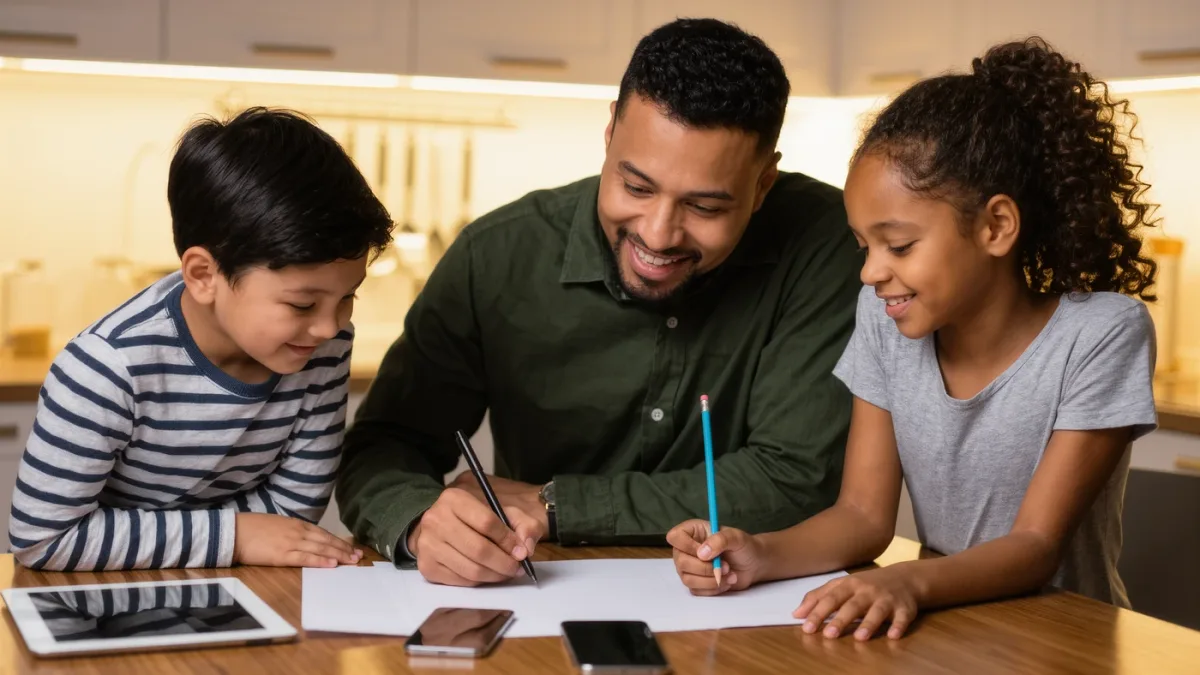
Ask real questions and hold your own opinions lightly, because dinner conversation is where children build the habit of thinking about media rather than just consuming it. Research on family meals, including large-scale analyses summarized by the National Institutes of Health, links regular shared dinners with better adolescent communication and wellbeing. Add media to the menu, and the table becomes the most accessible media-literacy classroom a family owns, no curriculum required.
Why talk about media at dinner specifically?
Because it is the one shared hour where attention is mutual and no one is holding a controller. Media researchers who study parental mediation consistently find that informal conversation outperforms formal rules: children whose parents discuss content with them report better outcomes than children whose parents only restrict it. The dinner table is where informal conversation happens on schedule.
There is also a defensive reason. If you do not discuss the show, the game, the creator, the group chat, the discussion happens elsewhere, with peers only, unmoderated. Dinner is not an interrogation; it is the standing invitation to bring your media life to someone who has known you longer than the algorithm has.
What questions actually get kids talking?
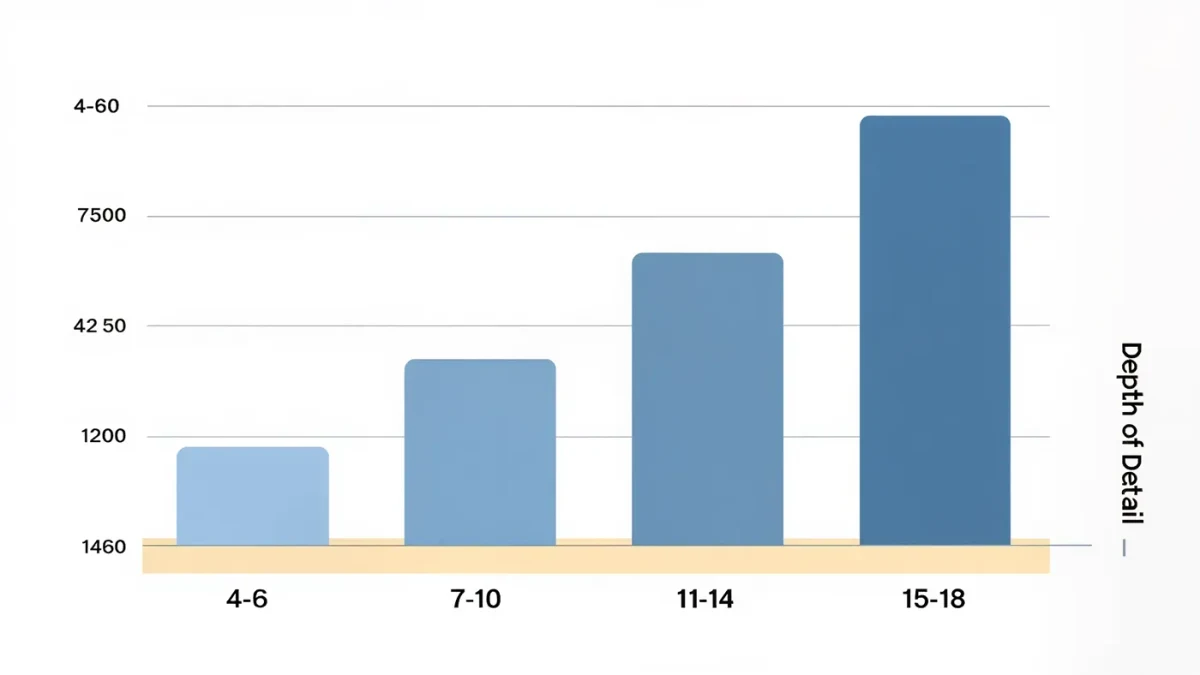
Not "was it good." Specificity and genuine curiosity do the work, and the questions scale with age. A short toolbox that travels well:
- "What was the smartest thing someone did in that episode?" Story mechanics, disguised as gossip.
- "Who did they want you to root for? Did you buy it?" First-grade narrative analysis.
- "What does that game want you to do when you lose?" Opens design intent without moralizing.
- "Why do you think that ad was shaped like a regular video?" Advertising literacy, one clip at a time.
- "Would you have made the same choice as that character?" Ethics, conveniently hypothetical.
Notice what is absent: verdicts. The moment the conversation becomes a parent's instrument for delivering judgments, children route around it, the same way anyone routes around a meeting that exists to lecture them.
How do you keep it from becoming a quiz?
Contribute, do not examine. The best media dinner conversations include the parent's own media life: the show you are watching, the thing in the news feed that fooled you for a second, the game you were bad at as a teenager. Modelling media self-reflection, including admitting you got tricked by a headline, teaches more than any question aimed at a child. Child-development and communication researchers describe this as warmth before information: the connection carries the content.
Timing also matters. The first ten minutes of a meal are decompression; questions fired at minute one get monosyllables. Let the food land, open with something easy, and let the media thread surface on its own or on the second attempt. And accept asymmetric nights: one child talks, another listens, and the listener was still at the table for it.
What about the shows you are worried about?
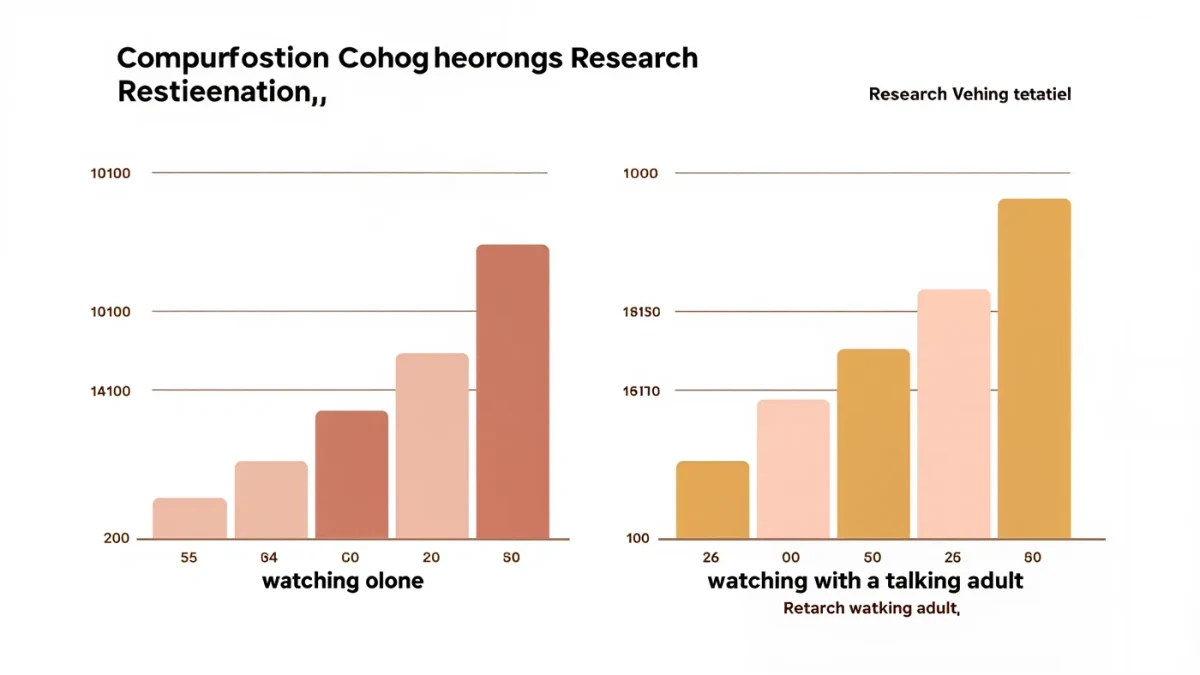
Bring the worry to the table early and without alarm, ideally before the child watches the thing you are worried about. A parent who says "I read this one gets intense in episode three, tell me when you get there and we can compare notes" has just scheduled a conversation instead of a standoff. Media-guidance organizations, drawing on decades of parental-mediation research, recommend co-engagement and discussion over prohibition for most age-appropriate disputes, saving hard noes for content genuinely outside a child's developmental range.
For content that is already watched and already disturbing, the dinner conversation is damage repair: ask what stuck with them, name the feeling, separate the fiction from the likelihood. Children generally manage frightening content better when an adult helps them file it, rather than when it is left to be processed alone at bedtime.
Does this work with teenagers?
Differently, and mostly yes. The teen version is narrower: ask about their media, not media you have chosen for them, and treat their expertise as real. A fifteen-year-old explaining the economics of their favorite creator's channel is doing media literacy at a level a worksheet cannot reach. The parent's job is to be a respectful audience and occasionally ask the second question, the one that goes one layer deeper than the rehearsed answer.
Surveys of adolescent media use, including federally supported research programs on youth and technology, consistently find that teens underestimate how much their parents want to know and overestimate how much judgment awaits them. The dinner table, kept judgment-light for years, is the counterweight. The archive of low-stakes conversations is what a teen draws on when something is actually wrong.
One family habit to start this week?
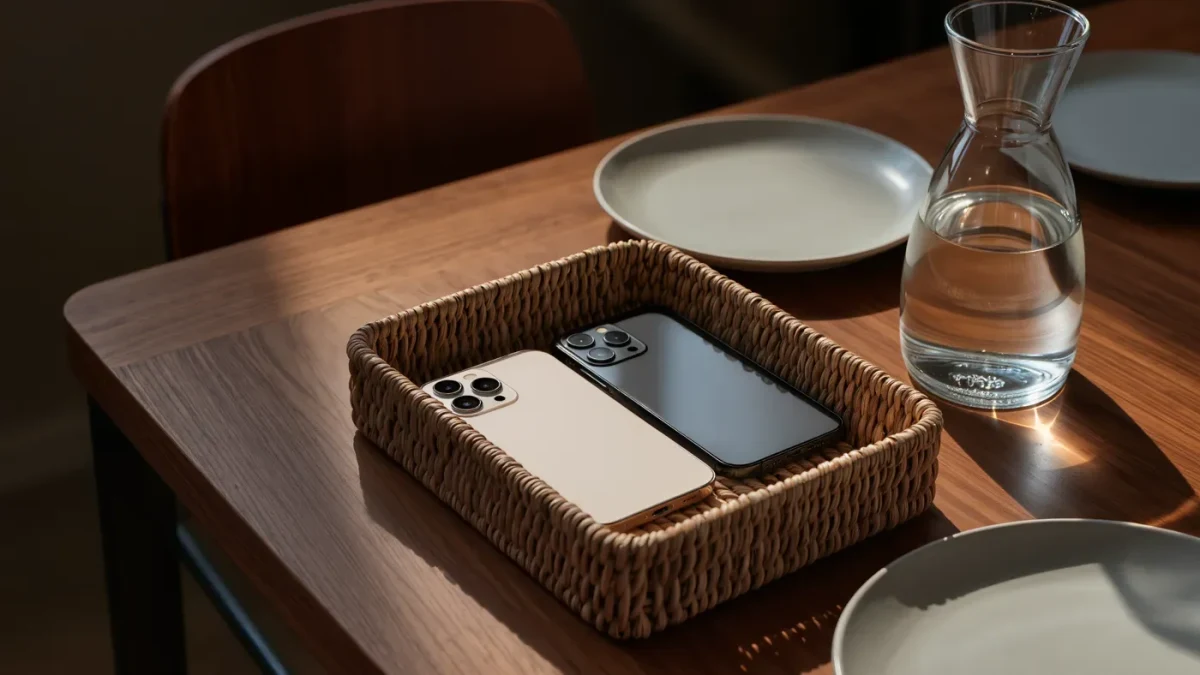
Steal the simplest structure: each person, parent included, shares one thing they watched, played, or read that week and one thing about it that surprised them. It takes four minutes, works at every age, and it quietly installs the core media-literacy move, noticing what you consumed instead of just consuming it. Keep the phones in a basket while it happens, adults' phones first and visibly.
Families differ in what belongs at the table, and this is information, not family advice; your table's rules are your family's call. But the research pattern is encouraging rather than scolding: you do not need perfect answers, only standing questions. The show will end, the game will be patched, and the conversation habit, once installed, is the part that stays.