The honest answer to whether the theater or streaming is better for family movie night is that they do different jobs. The cinema offers attention, scale, and occasion; home streaming offers control, comfort, and cost. Families who try to make one setting do both jobs usually end up frustrated, so the useful question is not which is better but which film, on which night, for which child, deserves which format.
What does the theater still do better?
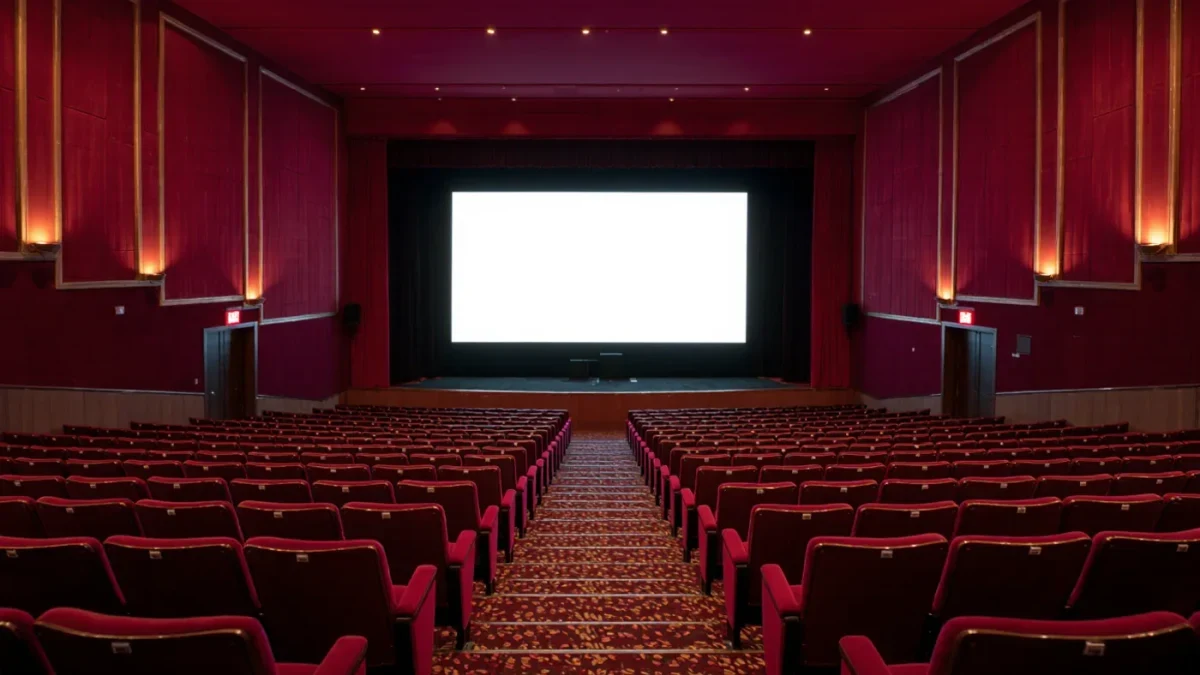
The theater's core product is undivided attention. A big screen in a dark room removes the pause button, the phone, the sibling wandering off to the fridge, and the half-hour of negotiations over snacks. For children old enough to sit through a film, that focus makes movies feel like events, and event memories are a real part of family life: the trip, the tickets, the leaving-the-house ritual. Scale also changes certain films. Anything with vast visuals or big sound design lands differently at theatrical size, and children often remember the experience of a theater film longer than the film itself.
Theatergoing also has hidden costs beyond tickets, including travel time, concessions, and the constraint of showtimes, which is why the format rewards selectivity. A cinema trip two or three times a year for films your household genuinely anticipates tends to beat a monthly habit that becomes logistics rather than fun.
What does streaming do better?
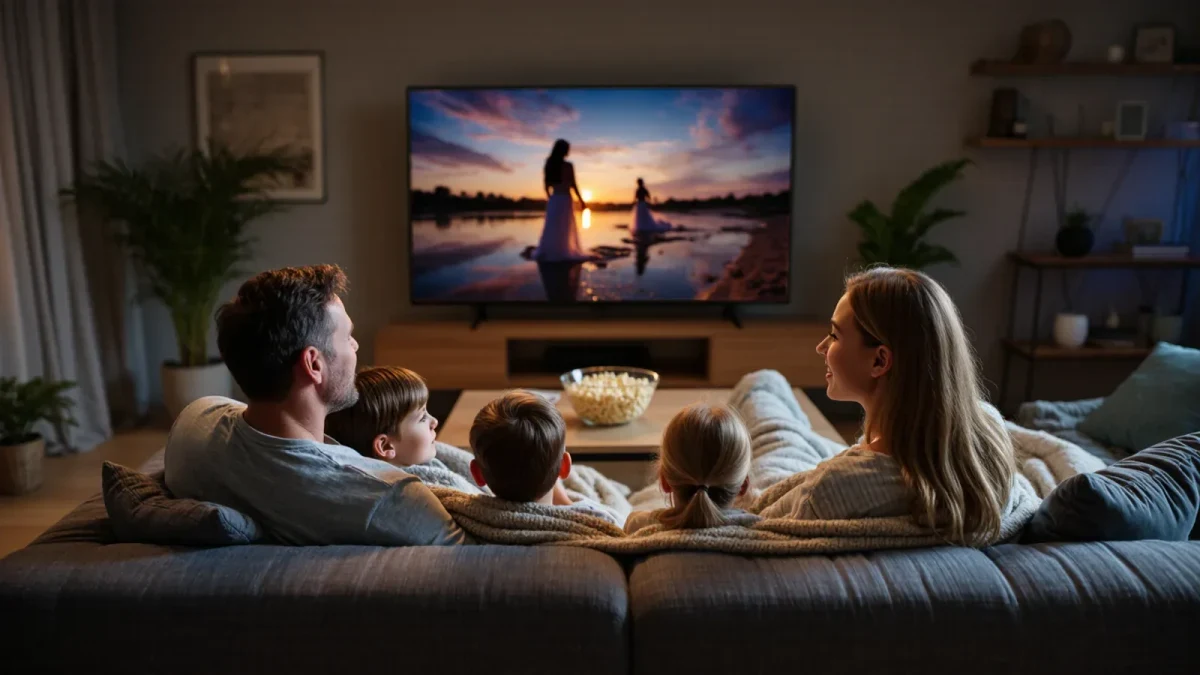
Streaming wins on control, and control is most of parenting. At home you choose the start time, pause for bathroom breaks, adjust the volume for a sensitive viewer, and swap films entirely if the first choice lands wrong. Subtitles, audio description, and episode limits are settings rather than requests. The cost per viewing is a fraction of theater prices once a subscription exists, and the couch accommodates the child who needs to move, the blanket, the stuffed animal, and the early bedtime. For children under about five, and for any child with sensory sensitivities, home viewing is not the compromise option; it is the appropriate one.
Home's weakness is the same as its strength. Because nothing is committed, movie night can dissolve into scrolling, negotiating, or half-watching with devices in hand. The families who get the most from streaming treat it with a little theater discipline: film chosen in advance, start time announced, devices away, lights arranged. The ritual is portable; you just have to bring it yourself.
How do the costs actually compare?
There is no universal figure, but the shape of the comparison is stable. A theater outing scales with family size, since every person needs a ticket, and premium formats multiply the total quickly, plus travel and food if you buy it. Streaming scales with the household, not the headcount: one subscription covers everyone, and a rental is the same price whether two or six people watch. For a family of four or five, a single night at the cinema typically costs more than a month of a streaming service, which is precisely why the decision deserves deliberateness rather than reflex. Prices vary by region, service, and format, so run the arithmetic on your own household before concluding anything.
| Factor | Theater | Streaming at home |
|---|---|---|
| Attention | Full immersion, no pauses | Easy to fragment; needs ritual |
| Control | Fixed sound, volume, start time | Pause, volume, subtitles, swaps |
| Cost pattern | Per person, per film, plus travel | Flat household cost, small rental fees |
| Timing | Showtimes decide the schedule | You decide, including school nights |
| Best suited to | Event films, older kids, occasions | Young kids, sensitive viewers, weekdays |
How do you decide for a specific film?
Ask three questions. First, does the film earn the big screen, meaning do visuals and sound carry real weight, or would it play identically on a laptop? Second, is your youngest viewer ready for the cinema contract of sitting still in the dark at fixed volume for two hours? Third, what is the week actually like, since a tired household on a Tuesday is a streaming household no matter what is playing. Two yes answers to the first two questions point to the theater; anything less points home. Waiting is also a legitimate answer, because most films arrive on a streaming service within a few months of release.
What about the middle options?
The binary is softer than it looks. Drive-in theaters, where they still operate, deliver outdoor scale with car-level control over volume and movement, which many young families love. Cheap second-run cinemas show films a few months late at a fraction of premier prices, recapturing the big screen without the event cost. Sensory-friendly and toddler-specific screenings relax the cinema contract for children who cannot yet meet it. And rentals occupy a useful middle: newer than a subscription catalog, far cheaper than a night out, and paused at will. If the standard versions of either format do not fit, a variant usually does.
Can you have both without guilt?
Yes, and the split most families land on is more streaming than they expected and fewer theater trips than the marketing implies. Choose two or three films a year as cinema events, chosen with the children and anticipated together, and let everything else be a couch film. The scarcity is what makes the theater outings feel special, and the home routine is what makes movie night a weekly habit rather than an expense. Neither format is a parenting victory or a failure; they are tools, and this article is information, not advice, about which tool fits which evening.