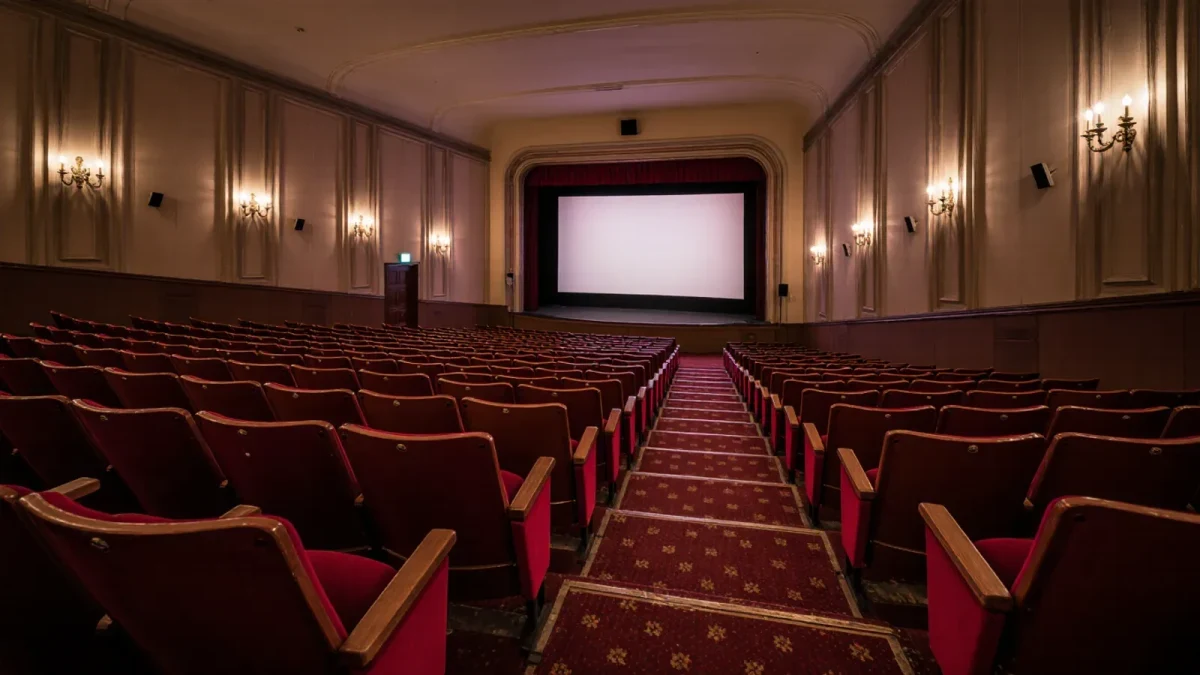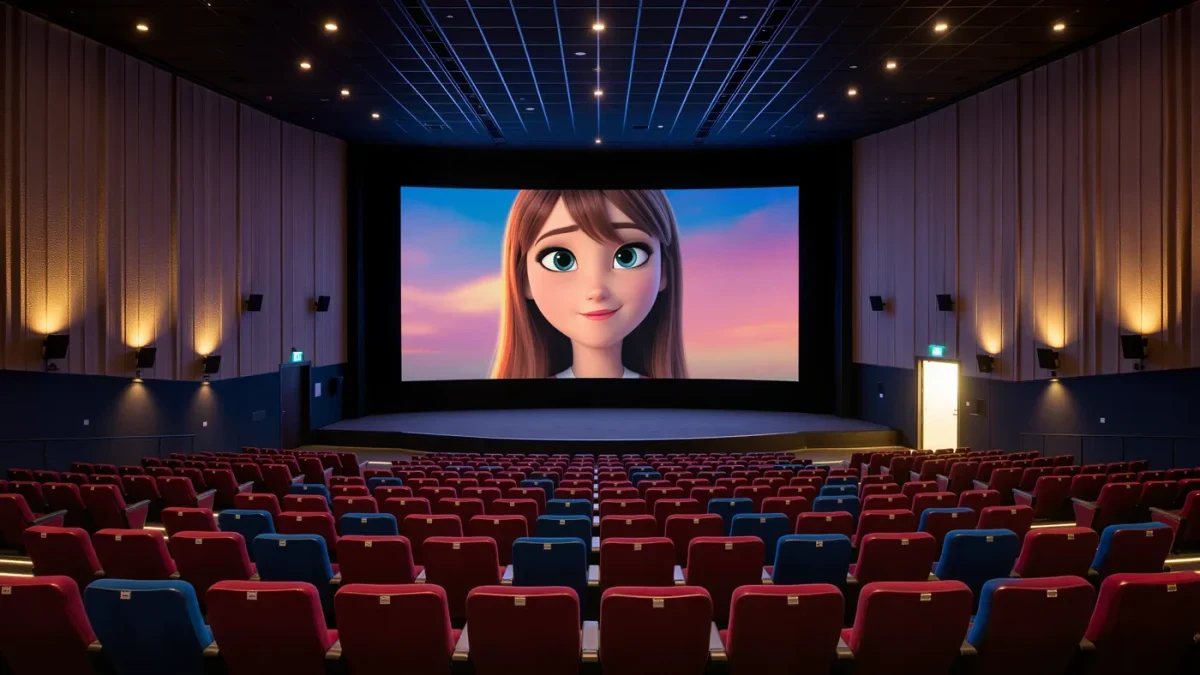
Sensory-friendly screenings are regular movie showings with the environment adjusted for viewers who find standard cinema conditions overwhelming. The sound is turned down, the lights are left on at a low level, the trailers are usually cut or shortened, and moving around or making noise during the film is explicitly welcome. AMC Theatres runs the best-known program, AMC Sensory Friendly Films, in partnership with autism community organizations, and other chains and independent cinemas run similar series.
What exactly changes at these screenings?
The adjustments target the three things that make cinemas hard for sensory-sensitive viewers: volume, darkness, and the demand to sit still and stay silent. Sound is lowered well below standard levels, so sudden effects do not hit at full force. House lights stay up, dimly, so the room never becomes a black box, and exiting to a lit lobby is easy. Pre-show content is reduced, and the film usually starts close to the posted time rather than after many minutes of advertising. Most importantly, the social contract is inverted: a child who hums, stands, flaps, or needs to pace in the aisle is doing exactly what the room expects. Nobody shushes, and the audience is largely families who understand.
Some venues add further accommodations, such as a quiet room or lobby space for breaks, staff briefed on the format, and permission to bring your own snacks for children with restricted diets. The specific adjustments vary by theater and program partner, so it is worth checking the venue's page or calling ahead for the details that matter to your child, such as whether the lights stay on for the entire film.
Who are they for?
The format was designed primarily with autistic children and their families in mind, and that remains its core audience. But the adaptations help a broader group: children with sensory processing differences, anxiety in dark or loud spaces, ADHD, or simply younger children who are not yet ready for the full cinema contract of silence and stillness. Adults with sensory sensitivities attend as well, and many families report that their first successful theater experience happened at one of these showings rather than a standard one. There is no diagnosis check at the door; if the format helps your family, it is for you.
How do AMC Sensory Friendly Films work?
AMC's program, developed with the Autism Society, schedules sensory-friendly showings of family films, historically on weekend mornings, typically once or twice a month depending on the season and slate. The program has run for well over a decade and covers participating theaters across the United States. Showings follow the standard adjustments described above, and tickets are sold like any other showing. Schedules are announced per film, so the practical move is checking AMC's website or app for sensory-friendly listings at your local theater, or asking at the box office, since participation varies by location. Other national and regional chains, plus many independent and community cinemas, run their own versions under names like sensory-friendly or relaxed screenings, and school-holiday schedules often add extra dates.
How do you prepare a child for a first visit?
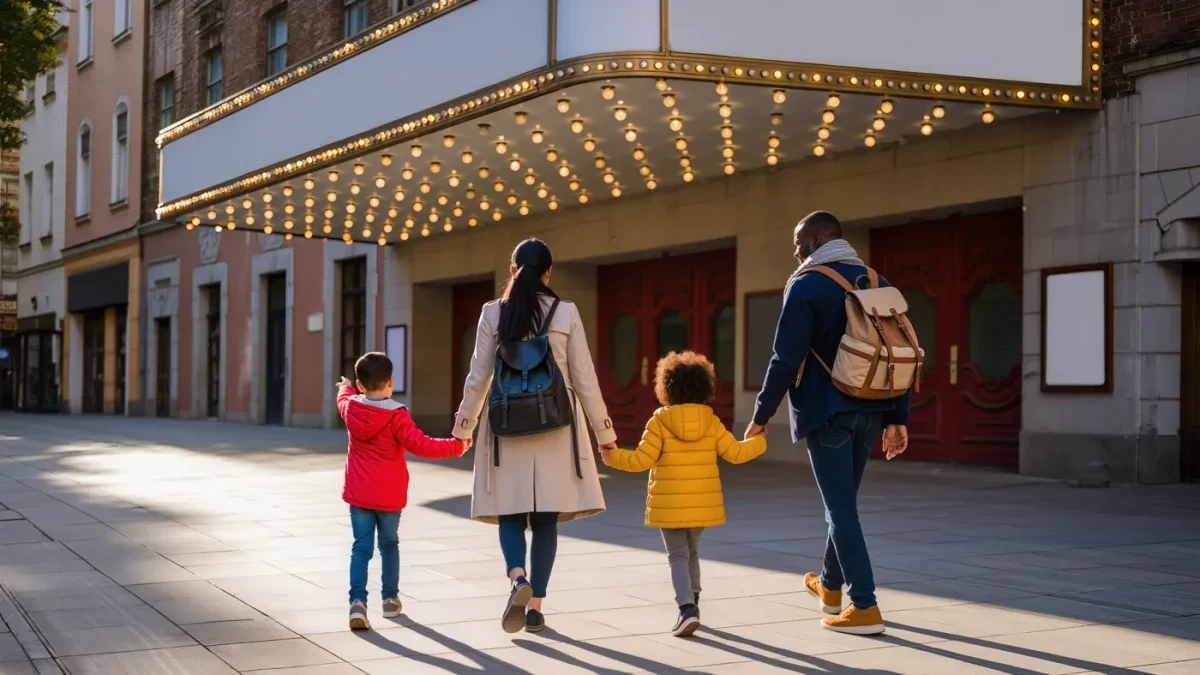
Preparation beats hope. A few days ahead, describe the visit in concrete terms: the lights will be on a little, the sound will be softer, and it is fine to move or make noise. If possible, choose a film your child already knows from home, because familiar content removes half the unpredictability. On the day, arrive early enough to walk in before the film starts, pick seats near an aisle or the back, and locate the exit and the bathroom before settling. Bring the same comfort items you would use anywhere, headphones included; even at reduced volume, some children prefer their own attenuation on top.
- Pick a familiar film for the first visit, not the most exciting new release.
- Choose aisle or back-row seats for easy exits.
- Arrive early to explore the room while the lights are fully up.
- Bring noise-reducing headphones if your child tolerates them.
- Agree on a no-questions exit signal so leaving is a plan, not a failure.
What if it still goes wrong?
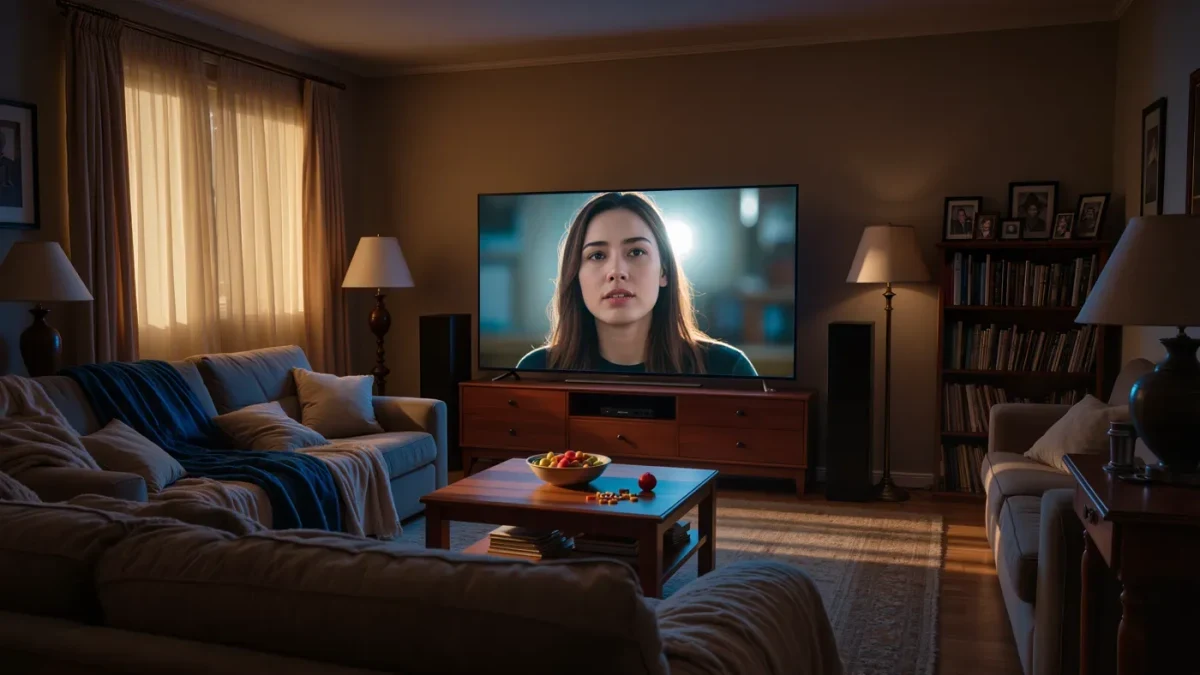
Sometimes it will, and that is part of the process rather than a verdict on your child. Leave, take a break in the lobby, and try again at the next showing; many families need two or three attempts before a full film works. If the theater format itself is still too much, home viewings with the same principles, low volume, lights on, freedom to move, build the same skills gradually. Some community organizations also host sensory-friendly events in smaller venues, which sit between a living room and a multiplex in scale. Every step in that direction counts, and the goal is a good experience with movies, not a perfect attendance record.
What about sensory-friendly events beyond movies?
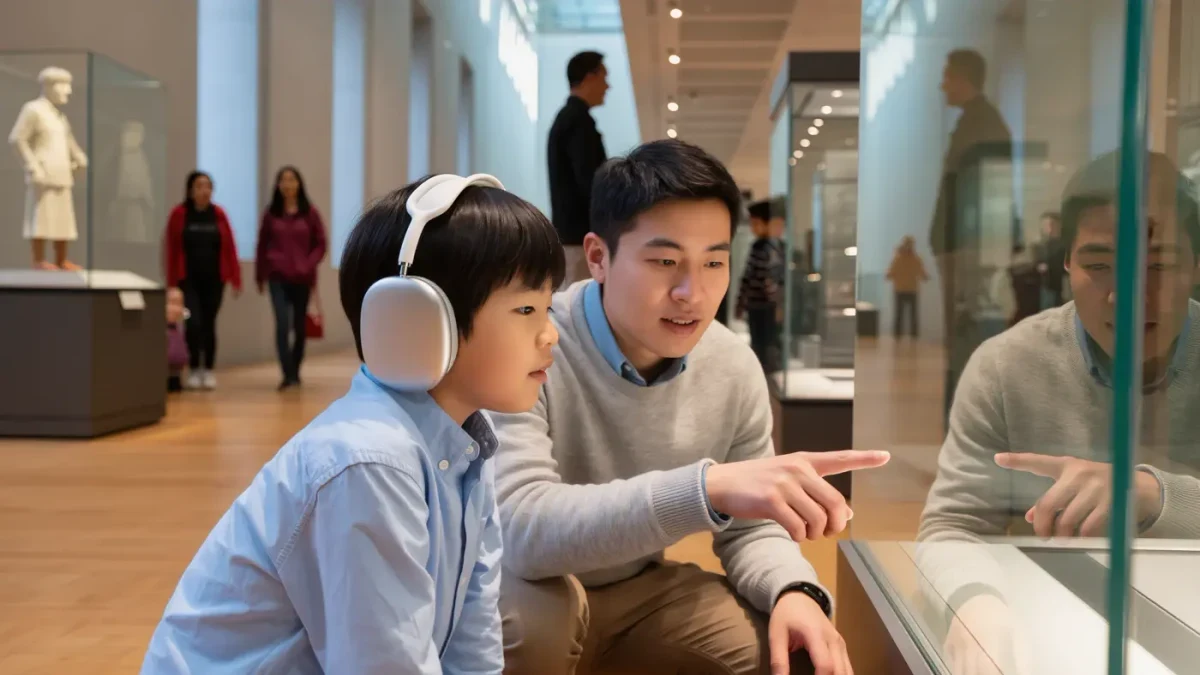
The same relaxed format has spread well past cinema. Many theaters now offer relaxed stage performances, museums run sensory-friendly hours with reduced noise and crowds, and some sports venues and aquariums schedule similar sessions. The common thread is identical: predictable conditions, reduced stimulation, and staff who expect a wider range of behavior. If a movie screening works for your family, those events are worth searching for locally, and if the cinema format is still too intense, a smaller museum session can be a gentler first step toward the same goal.
The short version
Sensory-friendly screenings lower the volume, raise the lights, shorten the preliminaries, and remove the demand for silence, which makes cinemas accessible to children who could not otherwise enjoy them. AMC's Sensory Friendly Films is the largest program, with dates varying by location and film, so check listings near you. This article is information, not medical advice; you know your child's thresholds better than any program description does.