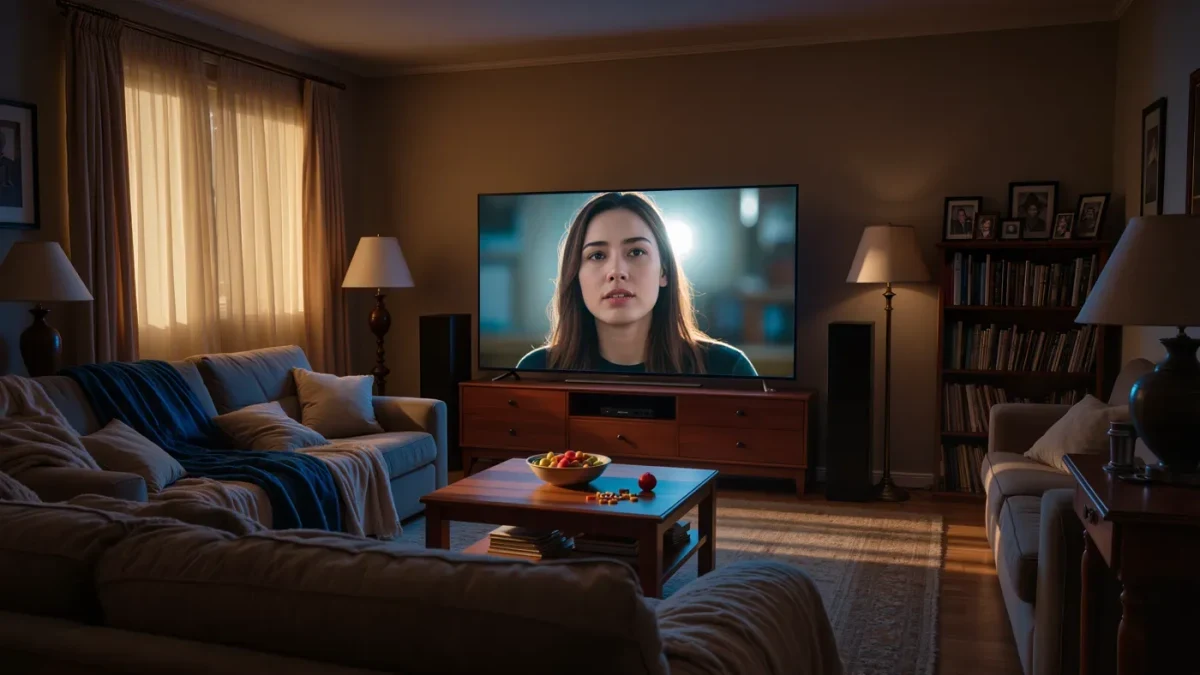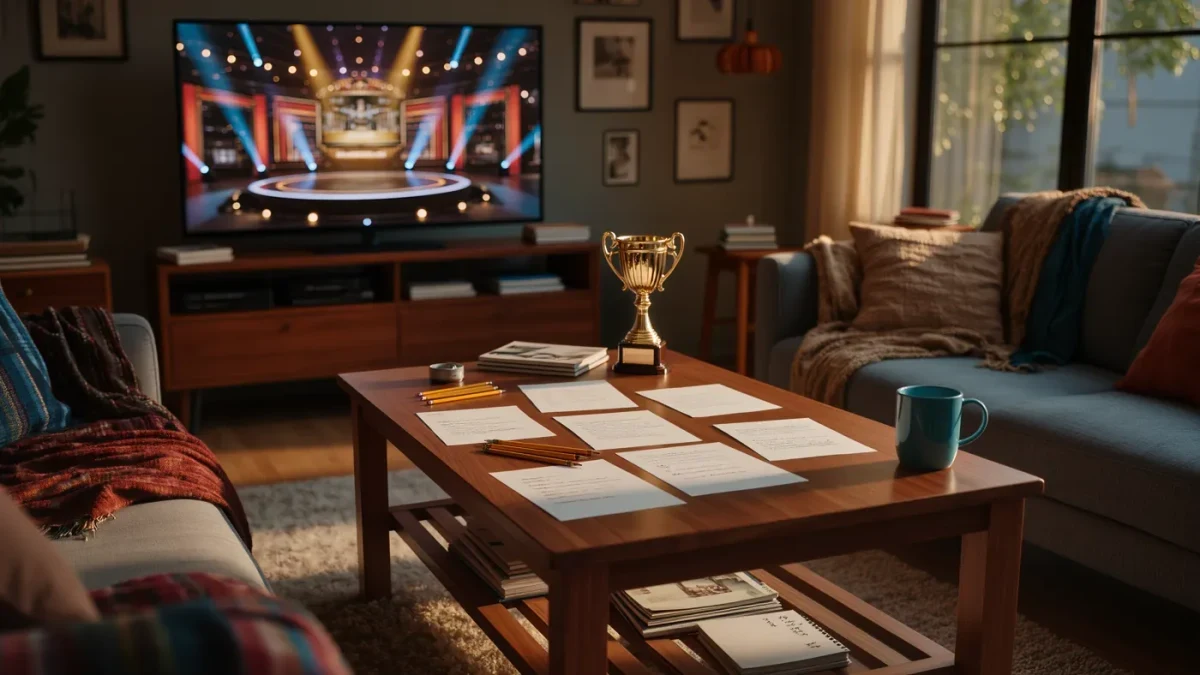
Award shows can work as family viewing when you treat them as an event rather than a broadcast: a long, celebratory television evening with costumes, speeches, and a running game of predictions. The obstacle is that the shows run late and are produced for adults, so the workable approach for most families is watching selectively, watching recorded, or following a handful of categories rather than the full program. With a little structure, even a partial watch becomes a tradition children look forward to.
Why watch award shows with kids at all?
Because they compress a year of movies, animation, and television into one conversation. For a child, the appeal is simple: seeing films they loved get trophies, judging the outfits, and staying up a bit late. For a parent, the show is a natural media-literacy exercise in disguise. Children can learn that awards are voted by industry groups with their own tastes, that marketing campaigns exist to win them, and that a favorite losing does not mean the favorite was bad. Those lessons land better in pajamas on the couch than in any classroom framing.
What ages handle them best?
Roughly eight and up for any real portion of the broadcast, with the usual caveat that readiness beats age. A school-age child can follow the format, enjoy the win-or-lose stakes, and sit through speeches; younger children will enjoy highlights the next morning far more than three hours of acceptance talks. Award shows include adult jokes, political speeches, and late-night pacing by design, so expect to explain, mute, or skip. Recorded viewing solves most of this: a recording lets you start early, fast-forward, and fit the whole thing into an hour chosen by you, which is how many families actually make it work on a school night.
How do you structure the evening?
Pick your anchor: the categories your household cares about, usually animation, family films, and a favorite performer or show, and build the evening around when those awards air. Print or write a ballot before the show, with everyone's predictions, since a two-dollar prize or a dessert privilege turns even slow stretches into a contest. Decide the ending time before the show starts, on a school night, the ending is the bedtime and the rest waits for the morning recap. And keep breakfast-after highlight viewing in your back pocket; some years, the morning-after package is the better show.
- Fill out prediction ballots together before the broadcast starts.
- Focus on categories your kids actually care about rather than the full show.
- Record the broadcast so you can start early and skip freely.
- Set the ending time in advance, tied to bedtime, not to the finale.
- Keep a morning-after highlights plan as the fallback.
What about the awkward moments?
They will happen, and how you handle them teaches more than the show does. Adult jokes, political statements, and edgy banter are part of the format; a recorded broadcast gives you a mute button, and live viewing gives you conversation. A neutral naming move works at almost any age: that joke was for the adults in the room. For political speeches, you can acknowledge that people care about different things and that the stage is being used to say so, without turning your couch into a debate. If a moment genuinely crosses your family's line, say so plainly and move on; consistency matters more than eloquence.
How do you talk about the wins and losses?
Award shows are unusually good practice at losing gracefully, because the losses are public, immediate, and survivable. When your child's favorite loses, name the reality: thousands of voters, one winner, and plenty of years where the best-loved thing went home empty. Point out that studios campaign for awards like advertisements, and that the results reflect a group's opinion, not a measurement. Then let them disagree out loud; a child arguing passionately that a different film should have won is practicing opinion, evidence, and taste all at once. That argument is the educational payload of the entire evening.
Which shows suit families best?
The major film and television ceremonies translate most easily, since children have seen the nominees, and the animation and family-film categories give them a direct stake. Television awards work for households that share shows. Ceremonies oriented toward adult content, or that run especially long and late, are better treated as morning-after highlight viewing for preteens. Formats change from year to year, hosts come and go, and broadcast arrangements shift between networks and streaming, so check the current schedule and platform each season rather than assuming last year's arrangement still holds.
What if your child wants to watch the red carpet too?
The red carpet pre-show is often the most kid-friendly hour of the night: it is bright, fast, and full of fashion commentary. It is also the most appearance-focused programming your child will see all week, so pair it with a light question or two, such as which outfit looks the most fun to move in, rather than only most beautiful. Used that way, the pre-show becomes a lesson in design and self-presentation instead of a seminar on judging bodies. If your household would rather skip it, head straight to the broadcast and lose nothing.
The short version
Choose categories, not broadcasts; use recordings; make ballots; expect adult moments and handle them calmly; and let your child lose an argument about a trophy once a year. Done that way, award shows become a light annual ritual that teaches how prizes, voting, and opinions work. This article is information, not professional advice, and every family's bedtime is its own jurisdiction.