When a music festival makes the news, the lineup is only the press release. The story worth reading is everything around it: who showed up, what the crowd carried in and carried out, and how a few days of sound turned into a shared memory. Good festival reporting is culture reporting, and it follows rules any parent can learn to spot.
This piece is information, not advice, and it is written for the adults in the room. If you have a teenager who follows festival coverage on their phone, knowing how these stories are built turns passive scrolling into media literacy. That skill transfers well beyond festivals, into how young people read any big live event.
The starting point is simple. As Wikipedia's overview of music notes, music is played in public and private contexts, highlighted at events such as festivals and concerts, and the culture surrounding it extends into journalism. Festivals are, in other words, a meeting point between performance and the people who write about it. The reporting that results can be excellent or lazy, and the difference is visible if you know what to look for.
What separates a festival story from a festival list?
A lineup announcement is a fact. A festival story is an interpretation of a fact. The weakest coverage simply restates who is playing, when, and where, which is information the organizer already published. The strongest coverage asks a different question: what did this gathering mean to the people inside it?
That shift matters for young readers. A list teaches nothing about judgment. A scene piece, as critics call it, teaches how an event creates feeling: the long walk between stages, the set that ran long, the crowd that thinned by Sunday. Those details are the reporter's actual evidence, and a careful reader can weigh them.
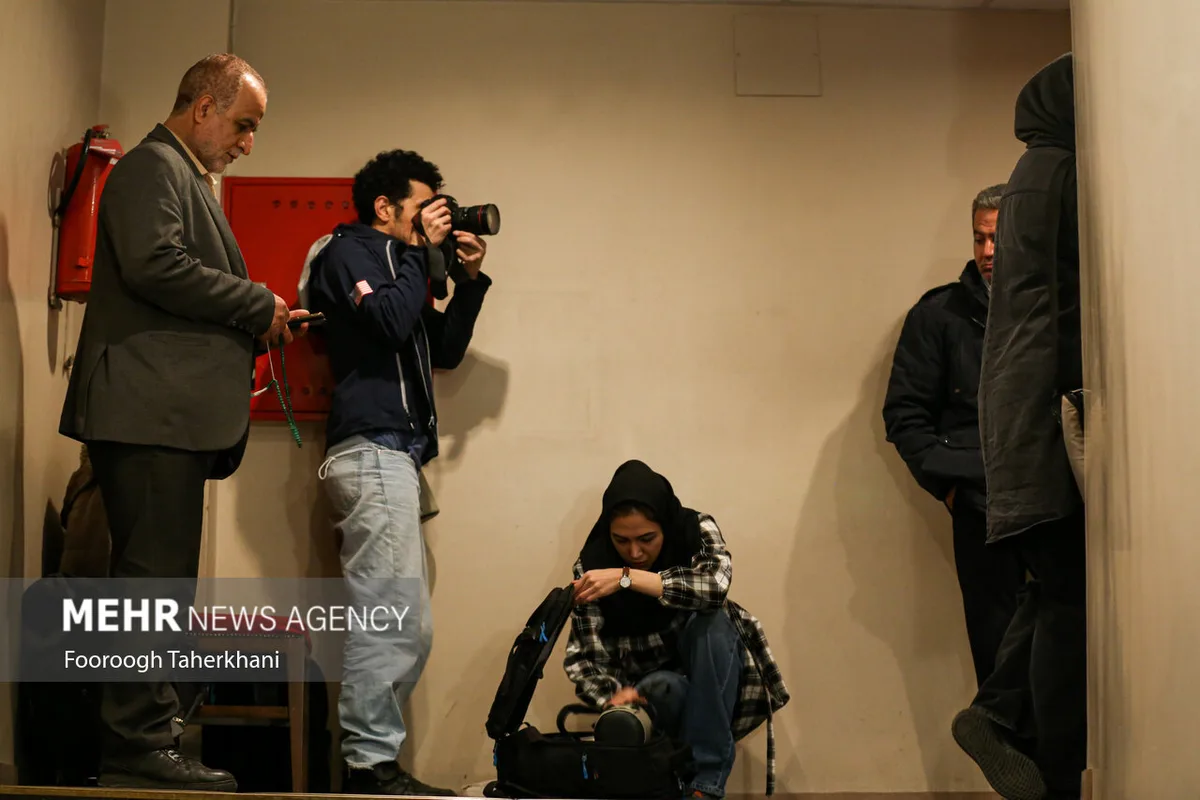
One practical marker of quality is whether the writer was there. Coverage assembled from social media clips reads differently from coverage built on presence. Watch for phrases that signal firsthand observation, and be cautious when a story's most vivid detail could only have come from someone else's video.
How does a reporter actually build the picture?
Festival reporting usually stacks three layers. The first is the official record: schedules, stages, set times, safety information from the organizer. The second is observation, gathered in the field, where the reporter watches how people move and what they talk about between acts. The third is conversation, with attendees, staff, and sometimes performers, which supplies the quotes that give a story its voice.
Each layer has limits the good writers acknowledge. Organizers control the official record. Observation is one pair of eyes in a crowd of thousands. Quotes are self-selected, because people who talk to reporters are not a random sample of the audience. A trustworthy piece tells you where its information came from rather than blurring all three layers together.
For a parent reading alongside a teen, that structure is a teaching tool. Ask: how does the writer know this? Did they see it, hear it, or read it somewhere? Those three questions work on festival coverage, award-show coverage, and most entertainment writing your family will encounter.
Why does the aftertaste matter more than the highlights?
The best festival criticism, like the best television criticism, is less interested in the highlight reel than in what remains. An episode of television earns its place by what it leaves behind after the credits. A festival earns it the same way: what did attendees carry home, and what did the weekend change about how they see live performance?
This is also where coverage can go wrong. The pull to recap, to list the biggest moments in order, mirrors the pull to summarize a plot instead of analyzing it. Recap is easy to skim and easy to forget. Analysis of atmosphere, logistics, and audience behavior is harder to write and harder to fake, which is exactly why it is worth a young reader's attention.
There is an emotional dimension here too. Festivals compress a lot of experience into a short window, and coverage that captures that compression honestly, including the fatigue and the letdown, respects the reader more than coverage that only sells the peak.
What should parents and educators watch for in this coverage?
Festival stories reach young readers mostly through short-form video and social feeds, where context gets stripped away. A thirty-second clip of a crowd moment carries no information about crowd management, cost, or what happened before and after. Our guide to Livestreaming and Kids: What Parents Need to Know About Real-Time Content covers the same gap in live video generally: real-time content arrives without context, and context is where judgment lives. We covered a connected angle in Livestreaming and Kids: What Parents Need to Know About Real-Time Content.
A few signals help adults evaluate what a teen is consuming:
- Sourcing. Does the story say where its details came from, or does everything read like rumor?
- Balance. Does it mention cost, crowds, and logistics, or only the spectacle?
- Independence. Was the coverage produced with the festival's cooperation, and is that disclosed?
None of these signals require music knowledge. They are the same signals you would apply to a review of a film or a game, and our piece on Toy tie-ins: a media-literacy lesson for kids makes a related point: promotional material often arrives dressed as editorial content, and naming that pattern out loud is the lesson.
How does this connect to the rest of family media life?
Festivals sit inside a wider pattern of live entertainment that families already navigate, from award broadcasts to streamed events. The skills overlap. If you have talked with your kids about watching award shows as a family, you have already discussed the difference between an event and its coverage. Festival reporting raises the same question in a louder key.
It also connects to how young people learn. Media literacy is not a separate subject; it grows inside the media kids already care about. A teen who can explain why one festival story felt honest and another felt like an ad has practiced a skill that transfers to news, advertising, and everything in between. Our learning section collects more of these everyday literacy moments.
And for the broader context of what your family watches and why, the Entertainment News hub keeps the running coverage in one place.
What this means for your family
The evidence here is qualitative, not statistical: we have described how festival reporting is constructed, not measured its effects. What it establishes is that lineup lists and scene reporting are different products, and that the second kind rewards a more careful reader. What remains unknown is how any individual teen processes this coverage, and that is the family's call.
The practical takeaway is small and repeatable. Next time a festival dominates a feed, ask one question together: how would the writer know that? If the story answers it, read on. If it cannot, treat it as promotion wearing a reporter's coat.