Video game remakes are re-engineered versions of older games, rebuilt with modern graphics, controls, and quality-of-life features, and they have become one of the simplest ways for two generations to share a hobby. A parent who played the original gets the familiar world at today's visual standard; a child gets a game that plays smoothly without feeling ancient. Studios remake their back catalogs heavily, so most parents can find at least one title they once loved, now suited to the family television.
What counts as a remake?
The industry uses three related labels, and the differences matter for expectations. A remaster is the old game polished: higher resolution, steadier frame rates, minor fixes, and fundamentally the same experience. A remake rebuilds the game substantially, with new art, re-recorded audio, and sometimes reworked levels or systems while keeping the core design. A reboot starts the story over entirely and may change everything but the name. When a game you remember returns, check which of the three it is, because a remake of a game you loved at sixteen may not be a game for a six-year-old; ratings and content can shift when old material is rendered realistically.
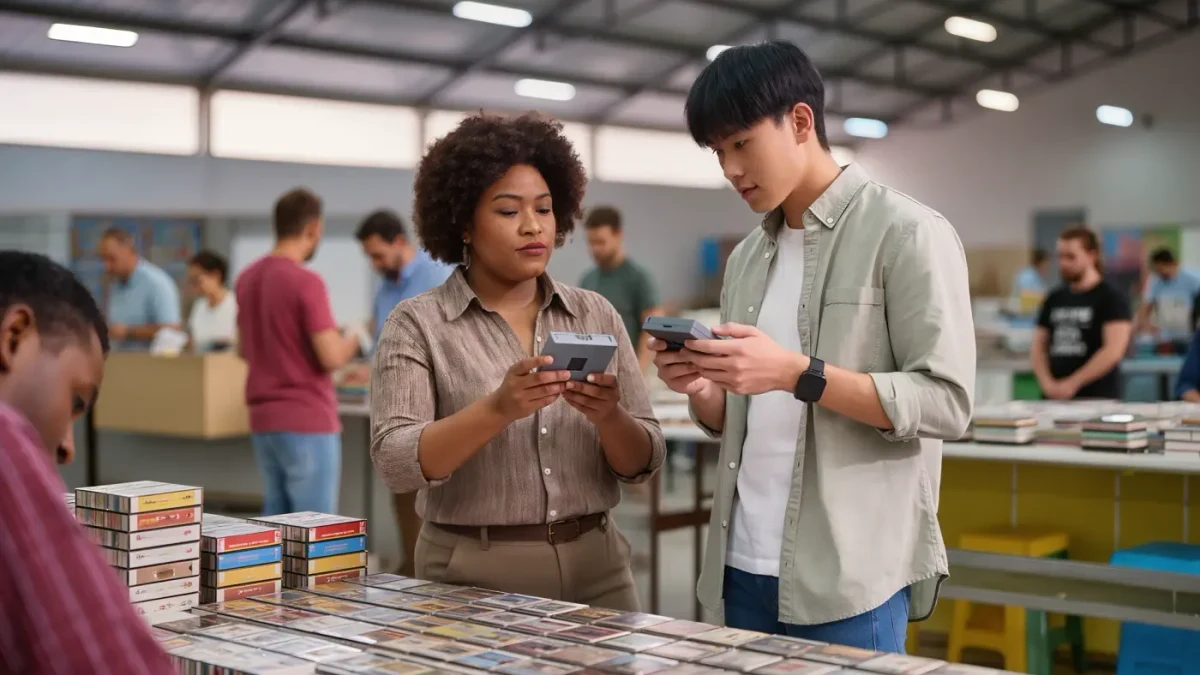
Nostalgia works as a bridge only when the new version is genuinely playable by a child. The remakes that succeed with families tend to share features: forgiving difficulty options, modern checkpointing instead of punishing save systems, and control schemes that no longer assume arcade-era reflexes. Many also include the original version as an unlockable or bonus, which turns the screen into a small museum of then and now.
Why do remakes work so well for parents and kids?
Because the parent holds real knowledge. In most children's games, the adult is a bystander or a novice; in a remake, the parent knows the map, the puzzle, and the trick behind the boss, and the child has the reflexes. That reversal is the fun. Playing together, parent and child each hold half the expertise, and the built-in storytelling, this is what my room looked like in games when I was your age, does the rest. Cooperative or turn-taking play suits this best, but even side-by-side single-player works, because shared familiarity makes spectating enjoyable rather than boring.
What should parents check before buying?
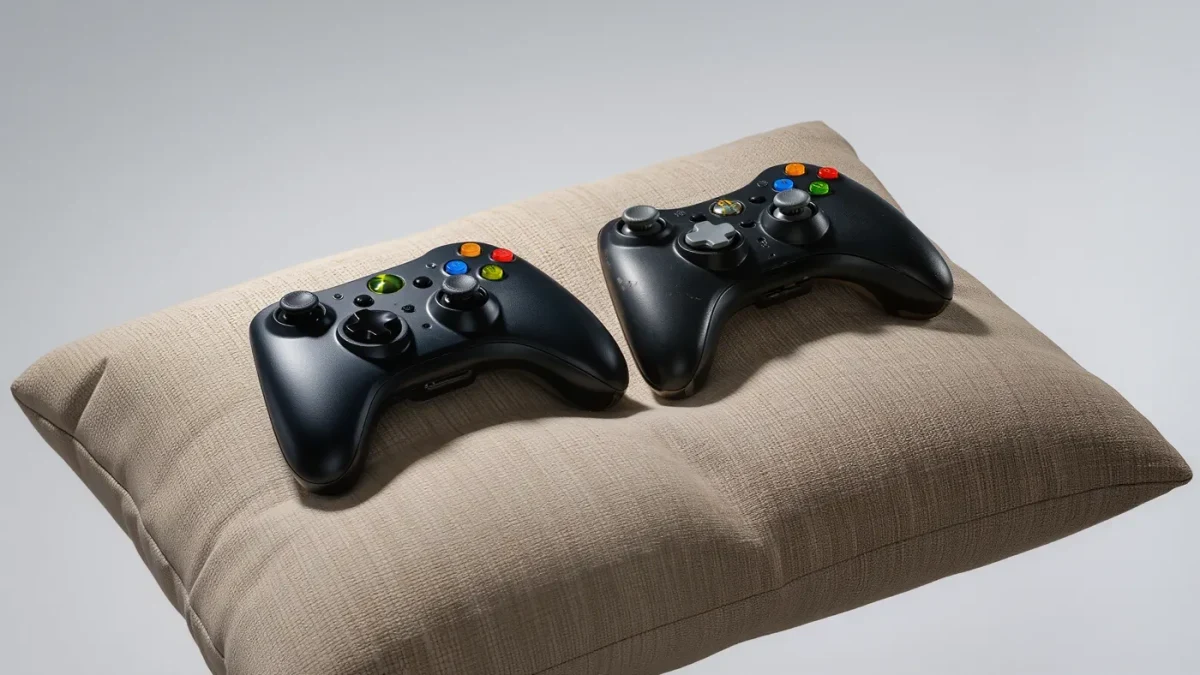
The same things you check for any game, with two additions. Check the rating first, since some classic franchises grew darker or more violent in their modern versions, and a remake renders old content with new intensity. Read whether the remake changed difficulty or added accessibility options, which determines whether a younger child can actually progress or will hand back the controller in frustration. And look at the multiplayer structure: couch co-op, where two people play on one screen, is the family-friendly feature most worth confirming, because it keeps the experience in the living room rather than split across headsets and online lobbies.
- Check the game's rating; remakes can be more intense than the originals.
- Confirm difficulty options and modern saves so a child can progress.
- Prefer couch co-op or easy turn-taking over online-only play.
- Look for editions that include the original version for comparison.
- Read one detailed review about what actually changed, not just the visuals.
Are remakes good first games for kids?
Many are, for a specific reason: older design traditions made goals clear and worlds compact, and good remakes keep that clarity while adding today's forgiveness. Platformers and adventure remakes are especially strong picks, teaching movement, timing, and puzzle thinking with readable rules. The risk is the same heritage working against you: some classics were hard by design, and a faithful remake preserves that difficulty. Age recommendations on the store page plus the difficulty settings answer most of this in advance, and a parent who knows the original already knows which sections will cause tears.
How do you turn it into a real shared experience?
Structure the time the way you would a movie night: a planned session, a set length, and a save point that ends it without argument. Take turns by level or by task, and narrate the history as you go, what changed, what the original looked like, what you struggled with at their age. Let the child be the expert where they are one, handling fast sections or new mechanics, so the exchange runs both ways. Used this way, a remake is not just entertainment but a family artifact, the same story told by two generations of technology, and children engage with that comparison more than most parents expect.
Where do you find out what is actually being remade?
Remake announcements cluster around the industry's major showcase events each spring and summer, when publishers reveal their upcoming slates, and games media covers every reveal in detail. A quick search for the title you remember, plus the word remake or remaster, will surface whether it exists, what platform it is on, and how it was received. Store pages for current consoles and PC list ratings, features, and included bonuses such as the original version, which is usually all the verification a family purchase needs before money changes hands.
The short version
Remakes hand parents rare ground: a game they know by heart, rebuilt so their children can play it too. Verify the rating, favor couch co-op and forgiving difficulty, and treat sessions like events. Not every classic needs to return to your living room, but one or two well-chosen remakes can build a shared hobby that outlasts the console generation. This article is information, not professional advice, and age decisions stay with your family.