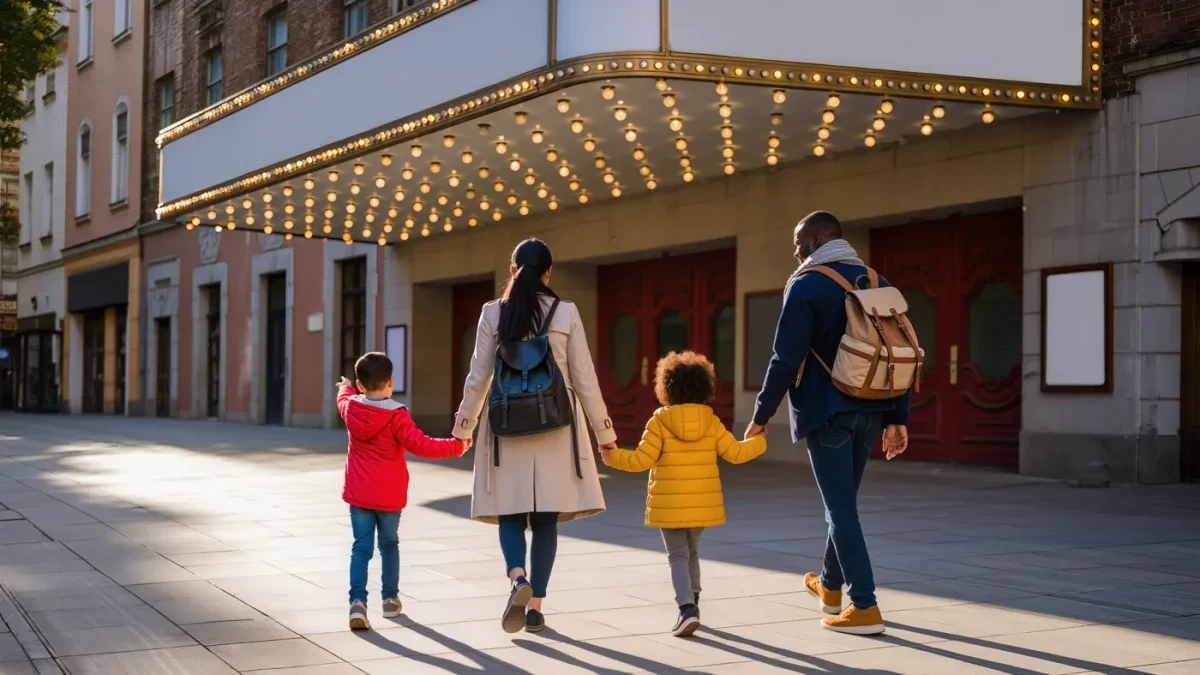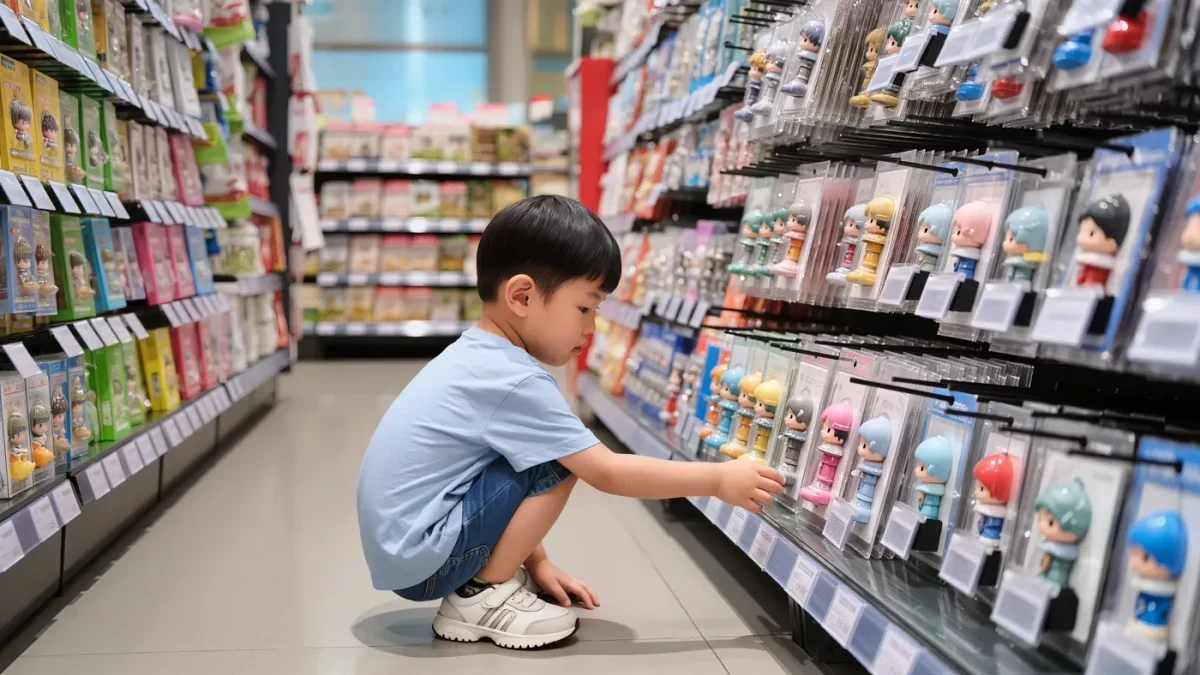
Toy tie-ins, the merchandise lines that launch alongside big family films, are a marketing engine aimed directly at your child, and they are also one of the best media-literacy teaching opportunities a parent gets. Every product on the shelf is a visible, discussable example of how entertainment and advertising work together. Instead of fighting the toy aisle, you can use it: children who can explain why the toy exists are far less controlled by the wanting it produces.
What is a toy tie-in, mechanically?
A tie-in is a licensing deal: a studio sells a toy company the right to make products featuring a film's characters, and both sides promote the other. The toys advertise the movie, the movie advertises the toys, and fast-food meals, cereal boxes, and retail displays extend the loop into daily life. Children encounter this as ordinary shopping, with no signal that anything is being sold in the content they love. That invisibility is exactly why naming the mechanism out loud matters: once a child sees the loop, they cannot fully unsee it, and the wanting loses some of its urgency.
The pattern intensifies around release windows. Tie-in campaigns typically peak in the weeks before and after a film opens, when attention is highest, and they often target children too young to distinguish a commercial from program content, which is why advertising to young children is regulated more strictly in many countries. Rules vary and enforcement is imperfect, so the practical protection remains a parent who talks about it.
At what age can kids understand this?
Research on child development has long found that children under about six to eight struggle to recognize persuasive intent, meaning they take advertising as information rather than as someone trying to sell them something. That shifts gradually: elementary-school children can learn to spot ads, and by the preteen years most can articulate the strategy, especially with coaching. So the lesson scales by age. For a four-year-old, the entire curriculum is naming: that is an ad, it wants us to buy something. For an eight-year-old, add questions: who made this, what are they hoping we will do, how much does the movie appear in the toy aisle? For an eleven-year-old, hand over the analysis: look at this store display and tell me what it is really for.
- Name tie-ins as advertising out loud, early and often, in neutral tones.
- Ask who made the product and what they want the viewer to do.
- Compare the toy with the film: does the character appear more, or differently, on the shelf?
- Let older children predict where tie-ins will appear before a big release, then check.
- Keep the tone curious, not condemnatory; shame ends conversations.
How do you run the lesson without ruining the fun?
The goal is a child who enjoys the movie and understands the merchandise, not one who feels lectured at every checkout. A few conversational moves do most of the work. Use the manufacturer's own words against the impulse: they put the toy here so we will think about the movie while we shop. Turn wanting into data: you have wanted three different characters this month, which one do you still want after a week? And separate the experiences explicitly: the film is a story, the toy is a souvenir of the story, and one does not require the other. Children find this distinction clarifying rather than disappointing, because it gives them permission to love the story without owing anything to the shelf.
A single well-timed conversation beats a hundred aggravated refusals. The week a new tie-in campaign starts is the moment of maximum interest, and therefore maximum teachability, so meet it then, briefly, and revisit the same ideas each season. Media literacy is repetition, not one big talk.
What about collecting behavior?
Tie-ins are engineered for collection: blind bags, short-packed characters, and rare variants exist to convert one purchase into a series. For children, the collecting drive is developmentally normal and the marketing simply harnesses it. Your tools are structural rather than persuasive: a pre-agreed rule about how many tie-in items per film or per season, a waiting period before any purchase above a small threshold, and honest acknowledgment when something is designed to be incomplete. Saying this set is built so you never feel finished is not cynicism; it is accuracy, and older children respond to it with surprising respect.
Can tie-ins teach anything positive?
Yes, and pretending otherwise loses credibility with kids. Tie-in toys can extend story play, which is a genuine developmental good: a child who reenacts and remixes a story with figures is practicing narrative and social skills. The products also make economics tangible, since a child who understands licensing understands something real about how creative industries function. The balanced position is not merchandise is bad but merchandise is a product with a plan, and you get to decide what role it plays in your house.
What about unboxing videos and tie-in content?
Tie-in marketing now includes content that looks nothing like an ad. Unboxing videos, branded shorts, and influencer openings function as advertising to children while carrying none of the markers they are learning to spot, and young viewers often cannot tell a paid promotion from a peer's enthusiasm. Treat this content with the same naming habit: ask who made this video and whether they benefit from your child wanting the product. Many platforms now require disclosure labels on paid promotions, but labels only work for children who have been taught what a label means, which makes the home conversation the durable fix.
The short version
Toy tie-ins are coordinated advertising that arrives disguised as shopping, and children can learn to see that at a surprisingly young age. Name the loop, ask questions at the shelf, cap the collecting structurally, and keep enjoying the movies. This is information, not professional advice; your household's rules are yours to set.