"Brain rot" is slang for the mental state supposedly produced by consuming huge amounts of shallow online content — the fog you feel after three hours of short videos you cannot recall. Teens use it two ways at once: to describe the content itself ("this video is brain rot") and to describe themselves after binging it ("I have brain rot"). It is诊断 delivered as a punchline, and in December 2024 Oxford University Press named it Word of the Year. This is information, not medical advice.
Where did the term come from?
Older than the internet, surprisingly. Henry David Thoreau used "brain rot" in Walden in 1854, complaining that society's intellectual diet was declining — proof that every generation suspects the previous one of mental decay. The modern revival spread through gaming and internet communities in the 2010s and went mainstream by 2023, attached to the glut of auto-playing, algorithm-fed video. When Oxford's Word of the Year selection in 2024 drew on a public vote of 37,000 people, "brain rot" won, and the announcement itself noted the irony of a digital-era condition getting an analog-era label.
How do teens actually use it?
Mostly self-deprecating, rarely as an insult. "Stop feeding me brain rot" is a compliment to the sender — it means the clip is deliciously stupid. "I watched brain rot for two hours and now my brain is soup" is a status update, not a cry for help. The vocabulary around it grew its own ecosystem: internet-culture terms like "skibidi" and looks-maxxing speak became Exhibit A in what commenters meant by brain-rot content, with each generation of tweens minting new examples faster than dictionaries can record them.
Why did a joke term win Word of the Year?
Because Oxford's selection tracks what a word reveals about the year, and "brain rot" captured a genuine anxiety. Oxford University Press noted that the term's growth reflected rising concern about the effects of consuming excessive online content, particularly on younger users — the same concern driving school phone policies and platform time-limit features. A word that lets people laugh at a worry while naming it travels fast. Per Oxford's December 2024 announcement, usage of the term increased sharply between 2023 and 2024 across news coverage and social platforms.
Is 'brain rot' a real health concern?
The slang is not a diagnosis, but the pattern it points at is studied. Researchers examining short-form video use have associated heavy consumption with reduced attention and lower academic performance in some studies, while other findings are more modest and the field is young — causation, dosage, and reverse effects (bored or stressed people watch more) remain unsettled. What is not contested: the feeling your teen describes as brain rot is real, common, and self-reported. Laughing about it and doing something about it are compatible.
The words that orbit it
Brain rot arrived with a constellation. "Skibidi" began as a nonsense refrain in a series of surreal animated videos popular with younger kids and became shorthand for content that resists adult explanation. "Ohio" became an adjective for anything absurd, "gyat" an exclamation, "rizz" a noun for charisma — Oxford's own shortlist for 2023 — and "delulu" a playful truncation of delusional. None of these carry danger; they mark territory, exactly as slang always has. Parents who recognize two or three earn surprising credibility.
Why the term stuck with parents too
Part of the word's range is that adults use it sincerely. Complaints about doomscrolling, cable news marathons, and workplace group chats all get described as brain rot by users in their thirties and forties — Oxford's 2024 announcement noted usage well beyond Gen Alpha. That breadth is useful at home: a parent who admits their own evening feed rots their brain a little is not lecturing from a pedestal, and the resulting conversation about screens covers the whole household rather than singling out the youngest person in it.
Brain rot and the attention debate
The word also became a keyword in the argument over attention and adolescent mental health that ran through 2024 and 2025 — the same conversation producing school phone restrictions and time-limit features in apps. Researchers remain divided on how much short-form video actually changes cognition, and the honest version of the debate says so. What families can work with today is smaller and firmer: the self-reported fog, the bedtime displacement, and the fact that teens themselves coined a name for it.
What should parents do with this word?
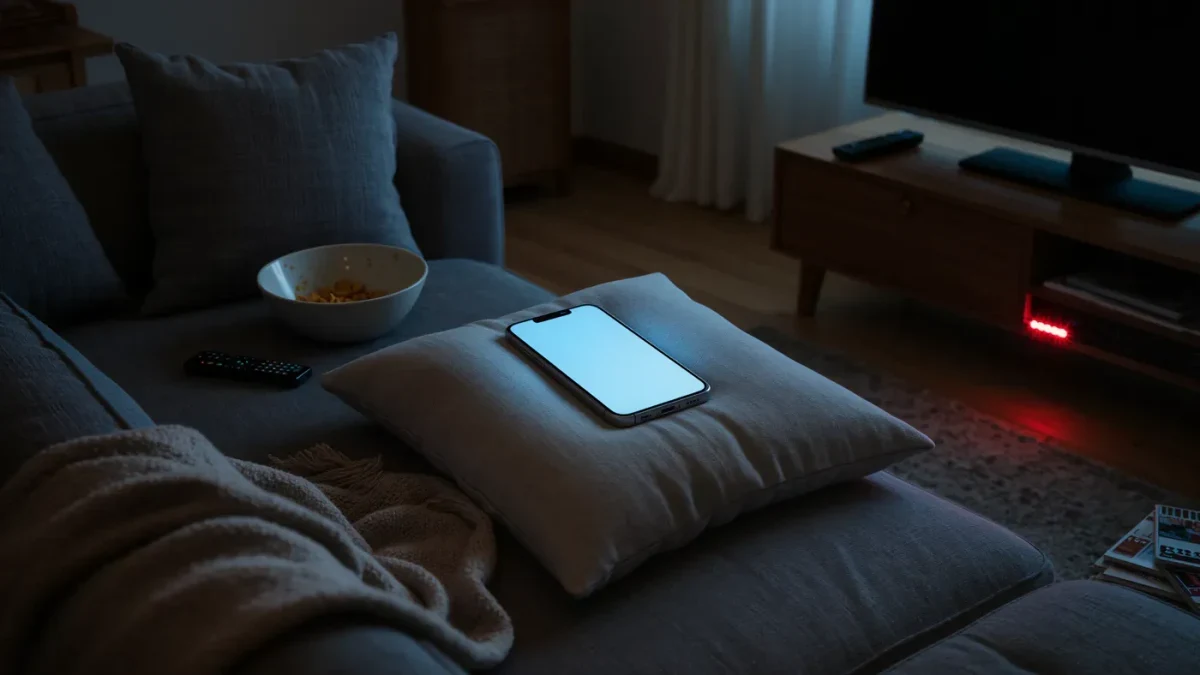
Use it as an opening rather than a lecture. "Brain rot" is one of the few teen-media terms parents can deploy safely, because teens say it about themselves first. A practical conversation sounds like: "What's your current brain rot?" — a genuine question that usually produces a tour of the feeds in question and how long they actually run. Digital-wellbeing researchers recommend helping teens notice the after-feeling rather than policing the content, since the feeling is the part they already track. What your family does about evening scrolling is your family's call.
How to respond without moral panic
- Ask what the current brain rot is — curiosity opens more than criticism.
- Notice the after-feeling together: foggy versus energized.
- Offer off-ramps (a walk, food, a different activity) at the two-hour mark.
- Model it: adults get brain rot too, and saying so out loud helps.
Every generation invents a word for the media it fears will rot the minds of the young — comic books, television, and video games all took a turn. "Brain rot" is this generation's entry, with one difference worth respecting: the kids coined it themselves, which suggests they are paying more attention than the panic assumes.